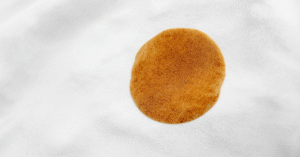

Transmission fluid stains are stubborn because they’re a petroleum-based oil stain that bonds quickly to fabric fibers. Act immediately by applying an absorbent powder to pull out the excess, then pre-treat with a strong grease-cutting dish soap. Always follow the no heat rule, or the stain becomes permanent.
If you’ve ever looked down and spotted that unmistakable red smear on your work pants, you already know: a transmission fluid stain is the mechanic’s nightmare. Because it’s a petroleum-based oil stain, transmission fluid doesn’t just sit on top of the fabric—it creeps deep into the fibers and hangs on for dear life.
The good news? Once you understand how to get transmission fluid out of clothes, the process becomes predictable and totally manageable. This guide breaks down the exact professional method I use in the shop to pull out heavy petroleum oils, dyes, and set-in grime.
Immediate Action: The Absorbent Powder Strategy
When dealing with transmission fluid stain removal, speed is everything. The longer the fluid sits, the deeper its oil and dye penetrate. Your first job is to pull out as much of the liquid oil as possible before you ever think about washing.
Step-by-Step: Absorb the Oil Before It Sets
Use any of the following absorbent materials:
cornstarch
baking soda
unscented cat litter
talcum powder
1. Apply the Absorbent Powder
Coat the stained area with a generous, fully opaque layer—think “snow-covered.” The powder’s job is to drink up the free oil.
2. Let It Sit (15–30 Minutes Minimum)
For set-in transmission fluid stains, leave it on for an hour or more.
3. Scrape and Shake
Use a stiff card, plastic scraper, or even a spoon to lift away the powder.
4. Repeat if Needed
If the stain still looks shiny or wet, hit it with another round of powder.
The Blotting Technique Only
This is where a lot of people destroy their clothes. Never rub transmission fluid stains.
Rubbing pushes oil deeper into the weave and expands the stain laterally.
Do this instead:
-
Press a clean cloth or paper towel straight down
-
Lift straight up
-
Repeat until no oil transfers
This is your only safe “contact” technique before degreasing.
Phase 2: Degreasing the Stain (Heavy-Duty Degreaser)
After you’ve removed the loose oil, you’re left with the embedded petroleum layer. This requires a serious heavy-duty degreaser—and choosing the right one matters.
Household Degreaser — Grease-Cutting Dish Soap
A high-quality grease-cutting dish soap (like blue Dawn) is the safest, most fabric-friendly option and surprisingly effective against petroleum oil.
How to use it:
-
Apply the soap directly to the stain.
-
Gently work it in using your fingers or a soft brush.
-
Let it sit for 10–20 minutes.
-
Rinse with cold water (never hot).
Dish soap breaks down the oil’s hydrophobic layer so the detergent can finish the job later.
Industrial Solvents (Use Carefully)
If the stain is old, baked in, or coming from heavy shop work, you may need industrial help.
Effective but Cautious Options:
-
Commercial laundry degreasers
-
Industrial solvent-based stain removers
-
Carburetor cleaner (last resort on durable fabrics only)
Important warnings:
-
Always test on a hidden seam first.
-
Use only in well-ventilated areas.
-
NEVER use carburetor cleaner on delicate fabrics (poly blends, synthetics, lightweight cotton, athletic gear).
Solvents work by dissolving petroleum molecules outright—but they can also damage dyes and weaken fibers if misused.
Phase 3: Washing Out the Residue
Once the oil base is broken down, it’s time to wash out what’s left.
Use an Enzyme-Based Detergent
Transmission fluid contains stubborn dyes and additives that don’t rinse out easily.
An enzyme-based detergent helps break down residue at the molecular level.
Best wash settings:
-
Cold or lukewarm water
-
Heavy soil cycle
-
Extra rinse if available
Avoid fabric softener (it locks in oils).
The No Heat Rule (Critical!)
Heat is the enemy. Heat will convert a removable oil stain into a permanently “cooked-in” stain.
Never use:
-
Hot water in the washer
-
A heated dry cycle
-
Steam
-
Ironing over the stain
Only air-dry until you’re 100% sure the stain is gone. If you see any residue, restart the degreasing phase.
Read also <<<< How to Get Caramel Out of Clothes
FAQs
1. Does WD-40 help remove transmission fluid stains?
WD-40 can break down oils, but it also adds another petroleum layer. It’s not recommended unless you plan a full secondary degreasing cycle afterward.
2. What about the red dye in transmission fluid?
If the dye remains after oil removal, use a color-safe bleach or oxygen booster during the wash cycle to lift the tint.
3. Can I use boiling water to flush the fabric?
No. Boiling water activates the no heat rule violation and locks the stain in permanently.
4. Will one wash remove a set-in transmission fluid stain?
Usually not. Set-in stains require repeated cycles of powder absorption + degreasing + cold water washing.
Conclusion
Removing transmission fluid from clothes isn’t a single-step job—it’s a three-phase fight:
-
Absorb the loose oil with powder
-
Degrease using dish soap or solvent
-
Cold wash with enzyme detergent
Follow the no heat rule, repeat if needed, and you’ll save even the most oil-soaked work garments. For more help, explore related stain-removal guides or shop-grade cleaning products designed for automotive fluids.