
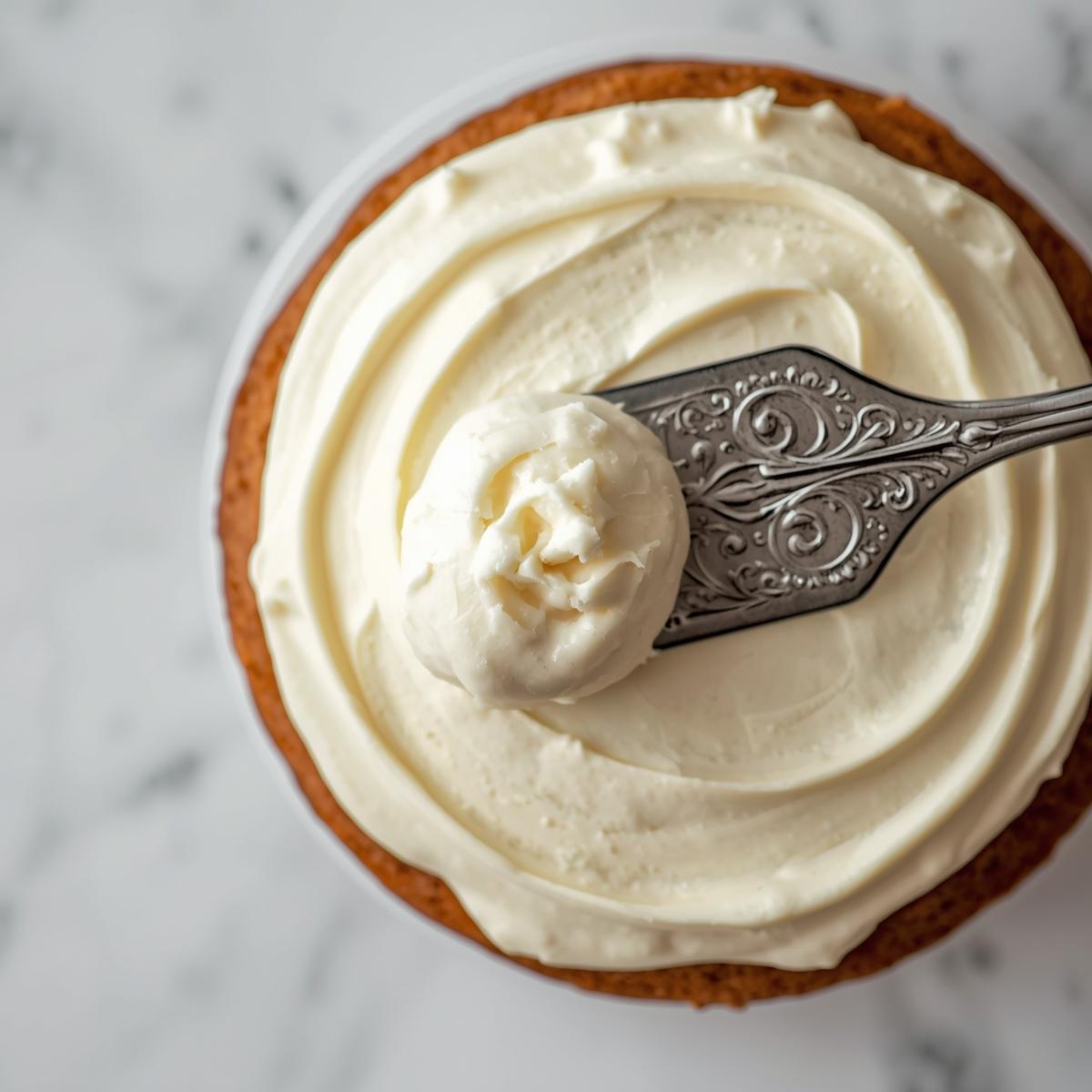

If you bake often—especially classics like red velvet cake or cinnamon rolls—you’ve probably asked: does cream cheese frosting need to be refrigerated? It’s one of the most common storage questions in home baking because cream cheese frosting is rich, creamy, and made with ingredients that can spoil if handled incorrectly.
This guide explains exactly when to refrigerate cream cheese frosting, how long it can safely sit out, and the best storage methods to keep your desserts fresh, delicious, and safe to eat.
Does Cream Cheese Frosting Need to Be Refrigerated? (Short Answer)
Yes. Cream cheese frosting should be refrigerated.
Because it contains cream cheese and butter—both perishable ingredients—it must be stored in the refrigerator when not being served.
It can sit out for a limited amount of time, but long-term storage always requires refrigeration.
Why Cream Cheese Frosting Requires Refrigeration
Cream cheese frosting is made with:
-
Cream cheese
-
Butter
-
Powdered sugar
-
Vanilla or other flavorings
While powdered sugar does help stabilize it slightly, the dairy components are still perishable.
Here’s why refrigeration is required:
-
Prevents bacteria growth
-
Maintains texture and structure
-
Keeps the frosting safe for consumption
-
Preserves flavor and prevents souring
Unlike buttercream, which can sit out for longer periods, cream cheese frosting behaves more like a spreadable cheesecake—meaning cooling is essential.
How Long Can Cream Cheese Frosting Sit Out?
Most food safety guidelines agree:
Cream cheese frosting can safely sit out for about 2 hours.
After that, the risk of bacterial growth increases, especially in warm kitchens during baking or decorating.
Exceptions:
If the room is cold (around 60°F/15°C or lower), it may last slightly longer—but refrigeration is still recommended once decorating is done.
How to Store Cream Cheese Frosting Properly
Refrigerating Cream Cheese Frosting
Refrigeration is the best way to keep your frosting fresh.
To refrigerate:
-
Place frosting in an airtight container.
-
Store in the refrigerator for up to 3–5 days.
-
Bring to room temperature for 15–20 minutes before using if too firm.
Freezing Cream Cheese Frosting
Good news—cream cheese frosting freezes beautifully.
To freeze:
-
Scoop frosting into a freezer-safe container.
-
Press plastic wrap against the surface to prevent ice crystals.
-
Freeze for up to 3 months.
-
Thaw in the fridge overnight before whipping or spreading.
How to Store Cakes and Cupcakes with Cream Cheese Frosting
You should always refrigerate baked goods topped with cream cheese frosting.
Here’s what to do:
-
Store in a covered cake container
-
Refrigerate for up to 3–4 days
-
Let sit at room temperature 20–30 minutes before serving
Even if the cake base is shelf-stable, the frosting is not.
Do Bakery Cakes with Cream Cheese Frosting Always Need Refrigeration?
Yes—unless the bakery uses a special shelf-stable cream cheese product, which is less common in home baking. When in doubt, ask the bakery or refrigerate to be safe.
Read also <<<< Do Lemons Need to Be Refrigerated?
FAQs About Cream Cheese Frosting
1. Does cream cheese frosting need to be refrigerated?
Yes. Because it contains dairy, it must be refrigerated when not being served.
2. How long can cream cheese frosting stay out at room temperature?
About 2 hours, or slightly longer in a very cool room.
3. Can you leave cream cheese–frosted cake out overnight?
No, it should be refrigerated to avoid spoiling.
4. Can you freeze cream cheese frosting?
Absolutely. It freezes well for up to 3 months.
5. Why can’t cream cheese frosting sit out like buttercream?
Buttercream is mostly sugar and fat, while cream cheese is perishable and requires cold storage.
6. How do you soften refrigerated cream cheese frosting?
Let it sit on the counter for 15–20 minutes, or whip it briefly to restore fluffiness.
Conclusion: Should You Refrigerate Cream Cheese Frosting? Absolutely.
In short, cream cheese frosting needs refrigeration—whether it’s in a bowl, on cupcakes, or on a fully decorated cake. Keeping it cool protects the flavor, texture, and most importantly, food safety.
Refrigerate leftovers, freeze extra batches when needed, and enjoy your desserts with confidence.