
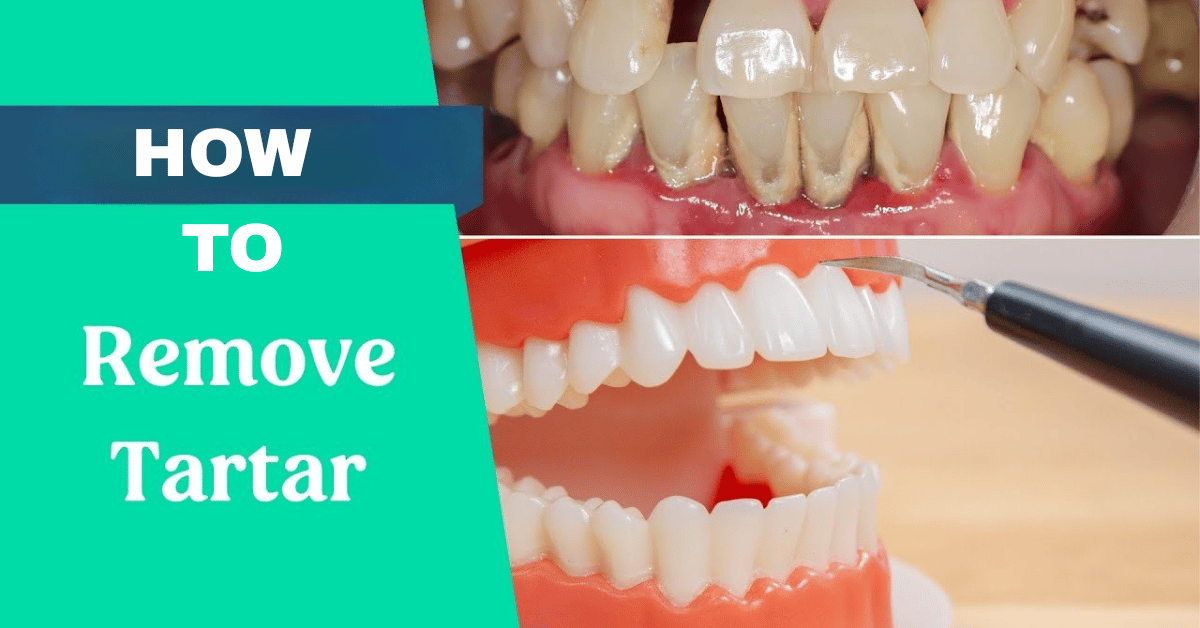

Tartar, also known as dental calculus, is hardened plaque that sticks to your teeth and can only be removed with proper care. While professional dental cleaning is the safest method, many people look for ways to manage and reduce tartar buildup at home. In this guide, we’ll explore how to remove tartar from teeth without a dentist, including effective home remedies and daily habits to prevent buildup.
What Is Tartar and Why Is It a Problem?
Tartar forms when plaque—a sticky layer of bacteria—hardens on your teeth due to poor oral hygiene. Unlike plaque, tartar is tough and can’t be removed by regular brushing alone.
Problems associated with tartar include:
-
Bad breath (halitosis)
-
Gum inflammation and gingivitis
-
Increased risk of cavities and tooth decay
-
Yellow or brown discoloration on teeth
Understanding tartar is the first step in tackling it effectively at home.
Home Remedies to Remove Tartar from Teeth
1. Brushing and Flossing Regularly
While it may seem basic, consistent brushing and flossing are crucial. Focus on:
-
Brushing twice daily with a fluoride toothpaste
-
Using a soft-bristled toothbrush to reach gum lines
-
Flossing daily to remove plaque between teeth
Tip: Electric toothbrushes can be more effective at reducing tartar buildup than manual brushing.
2. Baking Soda Paste
Baking soda is mildly abrasive and can help remove surface stains and tartar.
How to use:
-
Mix a teaspoon of baking soda with a few drops of water to make a paste.
-
Brush your teeth gently with the paste for 2 minutes.
-
Rinse thoroughly.
Caution: Use this method 2–3 times a week to avoid damaging tooth enamel.
3. Oil Pulling
Oil pulling with coconut or sesame oil may reduce plaque and tartar buildup.
How to do it:
-
Take a tablespoon of oil and swish it in your mouth for 10–15 minutes.
-
Spit it out and rinse with water.
-
Brush your teeth afterward.
This traditional remedy can support oral hygiene and reduce bacteria.
4. White Vinegar Rinse
White vinegar contains acetic acid, which can help dissolve tartar.
Method:
-
Mix 1 tablespoon of white vinegar with 2 cups of warm water.
-
Rinse your mouth with the solution for 30 seconds.
-
Spit and rinse with plain water.
Note: Avoid frequent use as the acidity can erode enamel if overused.
5. Use of Antiseptic Mouthwash
Mouthwashes containing antimicrobial agents can help prevent plaque from hardening into tartar. Look for ingredients like:
-
Chlorhexidine
-
Cetylpyridinium chloride
-
Essential oils
Tips to Prevent Tartar Buildup
-
Maintain regular brushing and flossing habits.
-
Reduce sugary and starchy foods that feed bacteria.
-
Drink plenty of water to wash away food particles.
-
Chew sugar-free gum to stimulate saliva production.
-
Schedule professional dental check-ups even if you manage tartar at home.
FAQs About Tartar Removal
Q: Can tartar be removed at home completely?
A: Home remedies can help reduce tartar and prevent buildup, but severe tartar usually requires a dentist for safe removal.
Q: How long does it take for home remedies to show results?
A: Visible reduction may take weeks of consistent practice, depending on the severity of tartar buildup.
Q: Is baking soda safe for daily use?
A: No, use baking soda 2–3 times a week to avoid enamel damage.
Q: Can tartar lead to serious dental issues?
A: Yes, if left untreated, tartar can cause gum disease, cavities, and tooth loss.
Conclusion
Learning how to remove tartar from teeth without a dentist involves a combination of daily oral hygiene and natural home remedies. Baking soda, oil pulling, vinegar rinses, and antiseptic mouthwashes can help reduce tartar buildup over time. However, severe tartar requires professional care to prevent dental complications.