
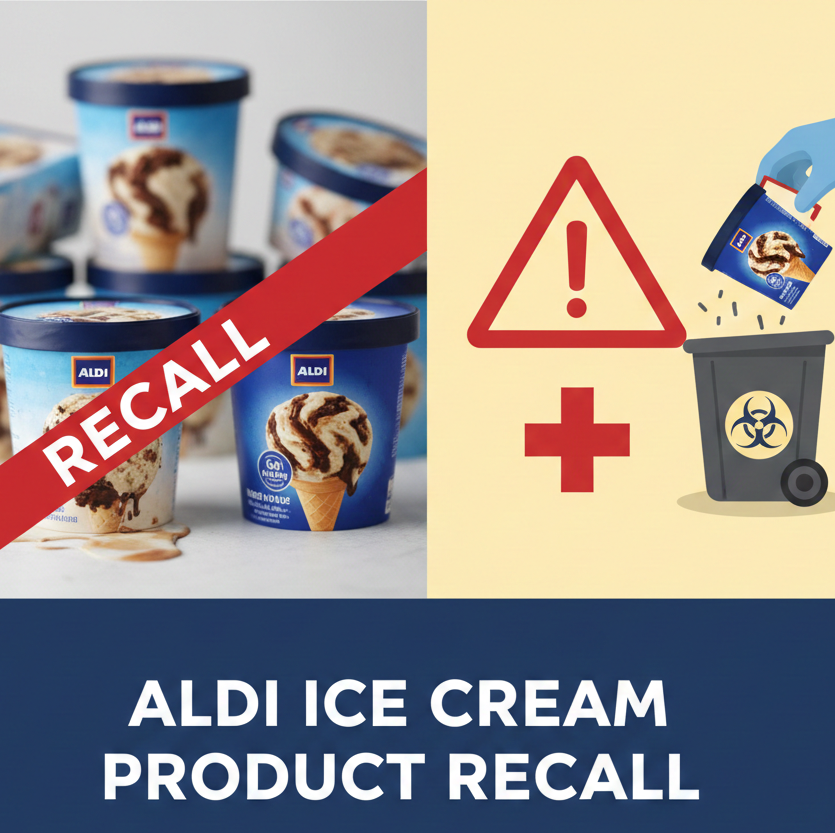

If you’ve recently stocked up on your favorite frozen treats, you might have heard about the Aldi ice cream product recall making headlines. Food recalls are never fun to deal with, especially when they involve products we trust and buy regularly. In this article, we’ll break down everything you need to know—what happened, why the recall was issued, which ice cream products were affected, and what steps customers should take next.
Our goal is to give you a clear, easy-to-understand walkthrough without the confusing jargon.
Why Was the Aldi Ice Cream Product Recalled?
Food recalls typically happen when a company identifies a potential safety risk. In this case, the Aldi ice cream product recall was issued due to a concern that certain batches may contain foreign materials or undeclared allergens—two of the most common causes of ice cream recalls across the food industry.
Possible Reasons for Recall (General Industry Examples):
-
Undeclared allergens (like peanuts, soy, or milk in non-dairy labeled products)
-
Presence of plastic or metal fragments
-
Contamination during production
-
Labeling errors
Tip: You can add an internal link here to another article on “Food Safety Tips for Shoppers.”
Although the specific reason depends on the batch and store region, Aldi typically issues recalls quickly when anything could compromise consumer safety.
Which Aldi Ice Cream Products Were Affected?
The affected products usually vary depending on the region, supplier, and production line. When Aldi issues a recall, they typically list:
-
Product name
-
UPC codes
-
Best-before dates
-
Batch/lot numbers
If you purchased ice cream recently, compare your product label with the official recall notice. Aldi’s recall announcements are usually shared on:
-
The Aldi website (external link suggestion)
-
FDA or FSA recall pages depending on your country
-
In-store posters or customer service desks
What Should Customers Do If They Bought Recalled Ice Cream?
If you discover you’ve purchased an affected product, here’s the best way to handle it:
1. Do Not Eat the Ice Cream
Even if it looks and smells normal, the product could still pose a safety risk.
2. Check the Batch Code or Use-By Date
Match the information with the recall notice to confirm whether your item is affected.
3. Return It to Aldi for a Full Refund
Aldi is known for its no-questions-asked return policy when it comes to recalls.
4. Contact Customer Service If Unsure
Store staff can verify the product details for you.
Is Aldi’s Food Still Safe? Understanding How Recalls Work
Even though a recall sounds alarming, it actually shows that the company takes safety seriously. In fact, most grocery chains—including Aldi—follow strict safety protocols.
Why Recalls Don’t Mean the Brand Is Unsafe
-
Recalls are often voluntary and done out of caution.
-
Many issues originate from third-party suppliers, not the store itself.
-
Food safety systems are designed to catch problems early.
Aldi has a long-standing reputation for quality control, and quick recalls show that their processes work as intended.
Frequently Asked Questions (FAQs)
1. Why did Aldi recall their ice cream products?
The recall was issued due to potential contamination or labeling issues, such as undeclared allergens or foreign materials.
2. Is it safe to eat Aldi ice cream now?
Yes. Only specific batches were affected, and they have been removed from shelves. Current products are considered safe.
3. How do I know if my ice cream is part of the recall?
Check the packaging for the listed UPC code, batch number, and expiration date. Compare them with the official recall announcement.
4. Will Aldi give me a refund without a receipt?
Yes. Aldi typically offers refunds for recalled products even if you don’t have the original receipt.
5. Where can I see the latest recall notices?
Visit Aldi’s website or check government food safety pages like the FDA, USDA, or FSA.
Conclusion
The Aldi ice cream product recall has raised understandable questions, but the good news is that recalls are part of strong safety practices—not a sign of long-term issues. By checking your freezer, verifying batch codes, and staying updated through official sources, you can shop confidently and protect your household from potential risks.
If you found this guide helpful, consider exploring related articles on food safety, grocery recalls, or product reviews to stay informed and prepared.