
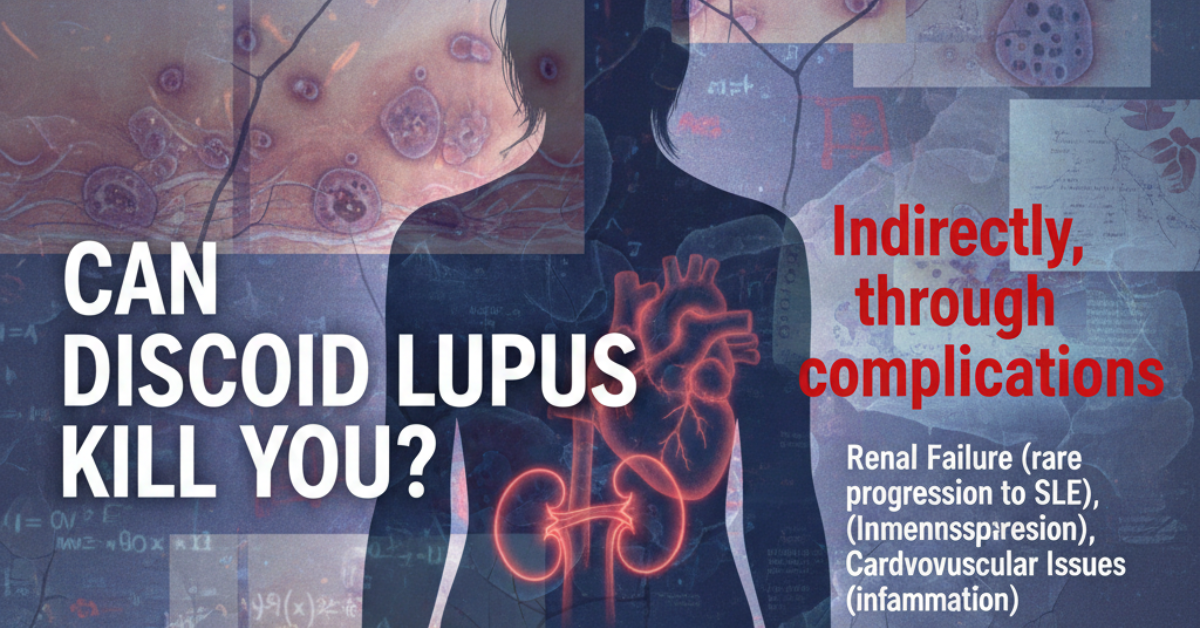

Hearing the word lupus can be frightening, especially when questions about life expectancy come into play. One of the most searched concerns online is: can discoid lupus kill you? It’s a fair question—and an important one.
Discoid lupus erythematosus (DLE) is a chronic autoimmune condition that primarily affects the skin. While it can be uncomfortable and emotionally challenging, its risks are often misunderstood. In this article, we’ll break down the facts, clear up common fears, and explain what discoid lupus really means for long-term health.
What Is Discoid Lupus?
Discoid lupus is a form of cutaneous lupus, meaning it mainly affects the skin rather than internal organs.
It typically causes:
-
Red, inflamed, disc-shaped skin lesions
-
Scarring and pigment changes
-
Sensitivity to sunlight
Unlike systemic lupus erythematosus (SLE), discoid lupus is usually limited to the skin.
Can Discoid Lupus Kill You?
The Short, Honest Answer
No—discoid lupus by itself is not considered life-threatening.
For the vast majority of people, discoid lupus does not directly cause death. It does not attack vital organs like the heart, kidneys, or lungs in the way systemic lupus can.
That said, understanding potential risks helps paint a more complete picture.
When Can Discoid Lupus Become More Serious?
Risk of Progression to Systemic Lupus
A small percentage of people with discoid lupus—typically 5–10%—may later develop systemic lupus.
Factors that increase this risk include:
-
Widespread skin lesions
-
Blood test abnormalities
-
Joint pain or fatigue
Even in these cases, early monitoring makes a major difference.
Complications That Require Attention
While discoid lupus doesn’t usually threaten life, it can lead to:
-
Permanent scarring, especially on the face or scalp
-
Hair loss (scarring alopecia)
-
Increased skin cancer risk in long-standing lesions
-
Emotional distress due to visible symptoms
These issues affect quality of life, not survival—but they should still be taken seriously.
How Discoid Lupus Is Managed Safely
Effective treatment significantly reduces complications and flare-ups.
Common Treatment Options
-
Topical corticosteroids
-
Antimalarial medications (like hydroxychloroquine)
-
Sun protection and lifestyle adjustments
With consistent care, many people live symptom-controlled lives.
What Improves Long-Term Outlook?
Several factors greatly improve outcomes for people asking can discoid lupus kill you:
-
Early diagnosis
-
Regular dermatology follow-ups
-
Strict sun protection
-
Medication adherence
Most patients maintain a normal life expectancy.
Living Well With Discoid Lupus
Discoid lupus may be chronic, but it’s manageable.
Helpful lifestyle habits include:
-
Wearing daily sunscreen (SPF 30+)
-
Avoiding smoking (a known trigger)
-
Managing stress levels
-
Monitoring skin changes closely
Small daily choices can prevent long-term damage.
FAQs: Can Discoid Lupus Kill You?
Is discoid lupus fatal?
No. Discoid lupus alone is not fatal and rarely leads to life-threatening complications.
Can discoid lupus turn into systemic lupus?
Yes, but it’s uncommon. Only a small percentage of patients experience progression.
Does discoid lupus shorten lifespan?
In most cases, no. With proper treatment, life expectancy is normal.
Can discoid lupus cause organ damage?
Typically no. It mainly affects the skin, not internal organs.
Is discoid lupus worse than systemic lupus?
No. Systemic lupus is generally more serious due to organ involvement.
Conclusion
So, can discoid lupus kill you? The evidence-based answer is reassuring: discoid lupus is rarely dangerous and is not considered a fatal disease. While it can be physically and emotionally challenging, proper medical care and lifestyle management allow most people to live full, healthy lives.