
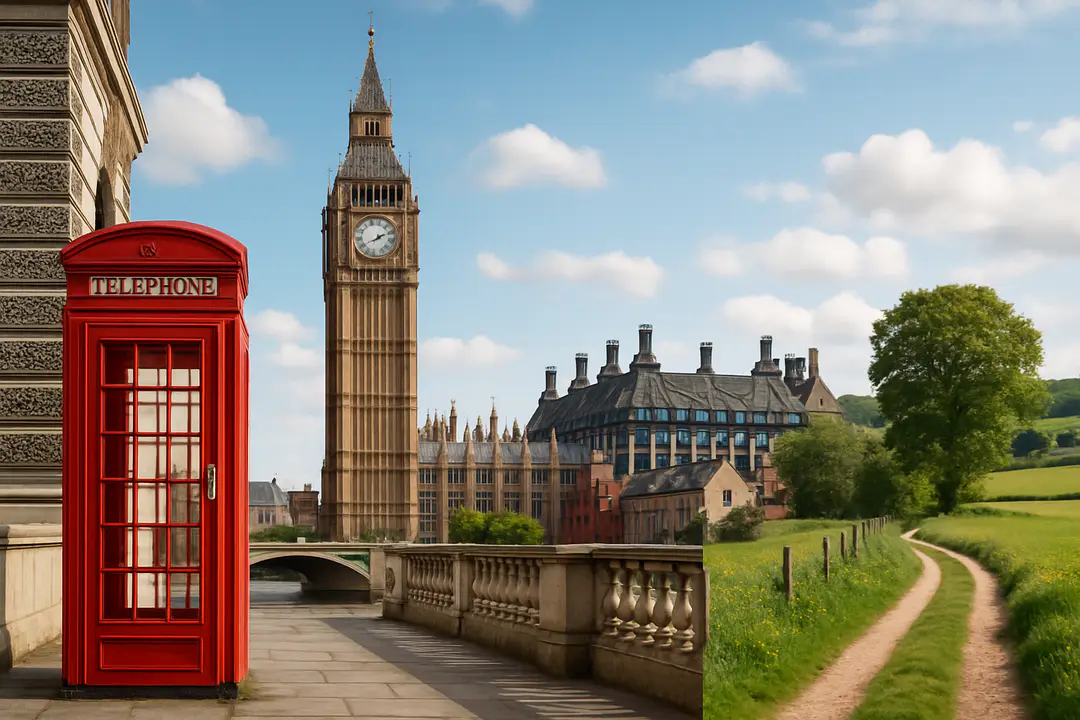

When planning a trip or exploring cultural roots, England often tops the list for its storied past and modern appeal. Yet amid castles and bustling cities, one aspect rarely gets the spotlight: the regional culinary heritage that flavors local life from Cornwall to Yorkshire. These dishes hint at deeper history, reflecting centuries of trade, invasions, and farming traditions. How often do travelers pause to savor these local tastes and learn what makes them unique?
Exploring these regional flavors gives you a firsthand taste of local culture. By seeking out family-run pubs, street markets, and artisan bakers, you discover stories behind each recipe. Knowing where to find authentic dishes helps you avoid tourist traps and enjoy genuine experiences. With this insider view, your trip becomes richer and surprises less likely. Let’s explore what makes England’s regions stand out — from land to table.
England’s Rich History
England’s history spans millennia, from Roman roads to medieval castles and the industrial revolution. The Romans arrived in 43 AD, building walls and roads that still shape modern routes. Norman architecture arrived in the 11th century, giving us stone keeps like the Tower of London. At each turn, regional influences and local materials shaped distinct styles, from white chalk churches to Gothic cathedrals.
Exploring ruins and heritage sites offers practical insight. Consider buying an English Heritage Pass for unlimited entry to over 100 sites. This pass covers major landmarks like Stonehenge, Hadrian’s Wall, and Dover Castle. For independent travelers, book tickets online to avoid long lines, and check off-peak hours, often early mornings or late afternoons, for quieter visits.
Understanding this timeline helps you see more than weathered stones. You connect layers of conflict, art, and religion that define modern England. As you move from Roman fort walls to Tudor manors, you notice how local culture evolved around these buildings. This context makes a royal palace tour more meaningful, revealing stories of power, rebellion, and daily life across centuries.
When you plan visits around key heritage sites, each stop feels like stepping into another era. You gain perspective on why certain festivals persist, why regional recipes vary, and how small towns still celebrate medieval fairs. With history in hand, your trip becomes a journey through time, tying past to present and adding depth to every view.
Vibrant Major Cities
England’s urban centers offer a mix of history, modern life, and cultural hotspots. From London’s skyline to Manchester’s music scene, each city brings its own charm. While London grabs headlines, many travelers overlook other dynamic cities that shape England today. Here is a snapshot of five must-see cities and what makes each one unique:
- London
The capital blends royal tradition with hip neighborhoods. Explore the diverse neighborhoods in London, ride the Eye, and stroll through markets in Camden and Borough. - Manchester
Known for music, football, and innovation. Explore the Northern Quarter’s street art, catch a match at Old Trafford, and tour the Science and Industry Museum. - Birmingham
A hub for industry and culture. Check out the Jewelry Quarter, dine at the Balti Triangle, and enjoy performances at Symphony Hall. - Liverpool
Birthplace of the Beatles and maritime heritage. Visit The Beatles Story, walk the Albert Dock, and learn maritime history at the Merseyside Maritime Museum. - Bristol
A creative hotspot with street art by Banksy. Cruise the harbor, tour SS Great Britain, and explore independent cafes and shops in Clifton Village.
Each city offers transport tips, too. Major hubs connect by train—book tickets via National Rail in advance for discounts. Public transport cards like London’s Oyster or Manchester’s Bee Network help you save on buses and trams. Walking tours led by locals reveal hidden gems and cost just £10–£15 per person.
By planning city visits around key attractions and transport options, you dive into local life efficiently. Cities pulse with events year-round, from music festivals to heritage open days. With this urban guide, you map out diverse experiences and avoid missing what makes England’s cities so lively.
Countryside Charms
Beyond the cities, England’s rural landscapes captivate with rolling hills, coastal cliffs, and green dales. Regions like the Lake District and Cotswolds offer postcard views and quiet villages. In spring, bluebells carpet ancient woodlands while sheep graze on emerald fields. The South West Coast Path winds through Cornwall’s beaches, while Yorkshire’s moors draw hikers seeking solitude.
To make the most of the countryside, plan travel by train or car rental. Trains link major towns, but a car gives you freedom to reach hidden spots. Look for regional rail passes, such as the BritRail England Pass, for flexible train travel. Booking a compact car in advance often saves 20–30 percent compared to walk-up rates. When packing, include waterproof layers and sturdy boots—a surprise rain shower is common year-round.
Small villages welcome visitors with cozy pubs and B&Bs. Many properties have family-run charm and full English breakfast. Ask locals about community events: agricultural shows, craft fairs, or village quiz nights. These gatherings reflect living traditions and let you taste local ales and cheeses.
For a deeper view, join a guided walk with a local farmer or naturalist. These tours explain land use, wildlife habitats, and farming challenges today. You learn how regional dishes come from nearby farms, linking back to our earlier focus on culinary heritage.
Whether you cycle through Yorkshire’s dales or boat on Windermere, the countryside invites you to slow down. Each turn reveals layers of history, from prehistoric stone circles to medieval churches. Embrace the pace, listen for bird song, and let the landscape shape your English adventure beyond the typical city circuits.
Cultural Traditions
England’s cultural tapestry blends music, literature, and food, threading stories across generations. Folk traditions vary by region—morris dancers perform in Cotswold villages, while northern folk clubs host live guitar and fiddle sessions. Annual events like the Notting Hill Carnival showcase modern multicultural influences, juxtaposed with age-old country fairs.
Food customs reflect local harvests and seasons. From freshly baked Cornish pasties to Lancashire hotpots, regional recipes tell the story of land and labor. Seek out independent bakeries, market stalls, and family-run teahouses to taste genuine flavors. Sampling proper afternoon tea, complete with scones and clotted cream, gives insight into a cherished national ritual.
Arts and crafts also carry meaning. Yorkshire’s patchwork quilts and Devon’s pottery styles draw on local materials and designs. Visiting craft workshops offers hands-on understanding. Many small towns host craft weeks, where you can try your hand at weaving or pottery.
Music and literature come alive in settings tied to famous figures. Walk in Shakespeare’s footsteps at Stratford-upon-Avon or explore the Brontë parsonage in Haworth. Bookshops in towns like Hay-on-Wye celebrate storytelling with festivals that draw thousands.
For a more immersive experience, attend a village fête or a summer music festival. Even smaller gatherings often feature food stalls, live music, and traditional games like tug-of-war. Such local events reveal how communities maintain traditions while adapting to modern life.
By engaging with these customs, you connect more deeply than a typical tourist. These traditions bring history to life, offering chances to join spirited celebrations and understand how regional flavors, arts, and stories shape modern England’s identity.
Economy and Innovation
England’s economy blends established industries with cutting-edge sectors. Services dominate with finance, education, and tourism leading GDP. Manufacturing remains key in the Midlands, while creative industries thrive around London and Manchester. Agriculture still supports rural areas, producing dairy, crops, and specialty foods that connect back to regional culinary traditions.
A quick comparison of major sectors shows wide variety and balance:
| Sector | GDP Share |
|---|---|
| Services | 80% |
| Manufacturing | 10% |
| Creative Industries | 5% |
| Agriculture | 1% |
Key centers such as London and Cambridge illustrate how business hubs in the UK foster growth in finance and tech. Meanwhile, regional clusters in the North East and West Midlands show diversification into advanced manufacturing and renewable energy.
Startup culture also plays a growing role. England’s startup ecosystem benefits from university research, government grants, and private investment. Tech incubators in cities like Bristol and Newcastle help new companies scale quickly. Entrepreneurs find support through networking events, co-working spaces, and seed funding networks.
Understanding these trends helps visitors appreciate why certain areas bustle with innovation events, hackathons, or design expos. It also hints at future developments, like green energy projects in rural counties. If you plan business visits or networking, research local clusters beforehand and book meetings at coworking sites to get a true sense of England’s economic pulse.
By linking finance towers to regional factories and tech labs, you see a dynamic landscape where history and innovation coexist. This awareness guides informed decisions, whether scouting partnerships or simply marveling at how the past meets the future.
Travel Planning Tips
Once you know what to see in England, smart planning ensures a smooth trip. Book accommodations early, especially for summer and holiday weekends. Trains and budget airlines connect major cities, but seats sell out quickly. Use apps like Trainline to compare prices and snag advance tickets for savings up to 60 percent.
Pack for variable weather—layers, waterproofs, and comfortable walking shoes. Even sunny days can turn rainy fast. A light foldable umbrella and a waterproof jacket are essentials. Check local forecasts a day in advance to adjust plans.
Consider regional rail passes or car rentals for countryside access. In cities, pick up travel cards like Oyster in London or local versions for discounted rides. Walking and cycling are great for inner neighborhoods. Many towns rent bikes by the hour.
For food and drinks, aim beyond chain restaurants. Seek recommendations from locals or consult online neighborhood guides. Be open to pub grub and street markets for budget-friendly meals. Many pubs offer “two courses for £12–£15” deals at lunch.
Safety-wise, street crime is low but stay aware of pickpockets in crowded areas. Use hotel safes for valuables. Emergency number is 999 for police, fire, or ambulance.
Finally, buy an adapter for UK plugs (Type G) before traveling. Outlets differ from Europe and North America. A universal adapter with USB ports covers cameras and phones.
With these tips, you avoid common surprises, save time and money, and stay comfortable. Armed with local insights, regional cuisine knowledge, and practical steps, you are ready to explore England confidently and create lasting memories.
Conclusion
Exploring England means more than ticking famous landmarks off a list. It invites you into layers of history, dynamic cities, scenic countryside, and rich cultural traditions. By paying attention to regional culinary heritage, you unlock stories behind every dish and connect with local communities. Understanding the economy and innovation landscape reveals how tradition fuels modern growth, from family farms to tech startups.
Careful planning—booking tickets in advance, packing the right gear, and choosing authentic dining spots—smooths your journey and deepens your experience. Let the narrative of each region guide your itinerary, whether wandering medieval castle halls, sampling pasties in Cornwall, or joining a folk festival in a Cotswold village.
As you travel across England, the big idea remains clear: seek depth, not just distance. Every stone, every recipe, and every festival contributes to a living story. Embrace authenticity, stay curious, and you transform a simple vacation into a meaningful adventure. Step beyond the postcard views and immerse yourself fully—England’s heart awaits discovery.


