
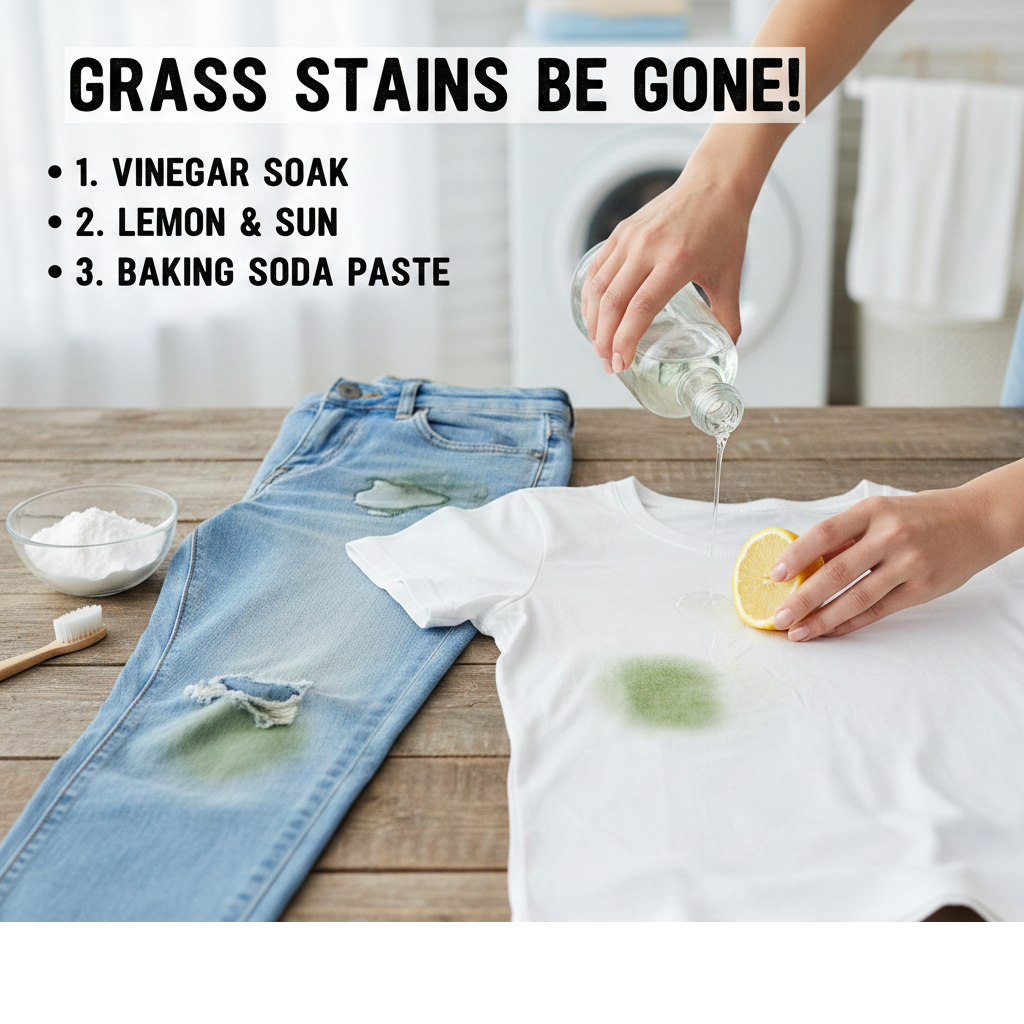

To understand how to get grass stains out of clothes, you need to break down both parts of the stain—the green chlorophyll stain and the protein-based stains that bind it to the fabric. The most effective solution is pre-treating with a biological detergent (enzyme laundry detergent), which digests the protein structure holding the pigment in place. Always rely on cold water stain removal, because heat sets grass stains permanently.
Introduction
If you’ve ever spent an afternoon gardening, tackled a slide during football, or watched kids roll around on the lawn, you know the familiar green streak left behind—grass stains. What makes these so stubborn is the combo punch of chlorophyll stain (the deep green pigment) plus protein-based stains and tannins from the plant itself. That’s why knowing how to get grass stains out of clothes isn’t just about scrubbing harder—it’s about choosing the right chemistry.
The good news? With enzymes, cold water, and a little technique, you can restore your clothes to their pre-grass glory.
The Science of Green: Why Enzymes Are the Best Attack
Grass stains are notoriously difficult because they behave like two stains in one:
1. The Chlorophyll Pigment
Chlorophyll is a powerful green dye. It clings to fabric fibers, especially cotton blends, leaving deep discoloration.
2. The Protein/Tannin Base
Grass contains proteins and tannins that bond the pigment to the fabric.
This is where enzyme-based cleaners shine.
Why Enzyme Laundry Detergent Works
A biological detergent (UK term) or enzyme laundry detergent contains enzymes such as protease and amylase. These break down the protein structure holding the stain in place, essentially loosening the glue so the pigment can wash away.
Why Cold Water Stain Removal Matters
Heat “cooks” protein. Using hot water too early binds the stain permanently into fabric fibers, making it nearly impossible to fully remove later.
Rule #1: Always start with cold water for grass stains—no exceptions.
Step-by-Step Guide: The Enzyme Method
This is the most reliable method used by laundry experts, cleaners, and home science teachers worldwide.
1. Scrape and Soak
Remove any dry grass or soil by gently scraping with a spoon or fingernail.
Then, soak the stained area in cold water for 10–15 minutes. This keeps the protein soft and easy to break down.
2. Pre-Treat with Enzyme Power
Apply a small amount of enzyme laundry detergent (or biological detergent) directly to the stain.
Use a soft toothbrush or cloth to begin scrubbing grass stains, working the detergent into the fibers.
Let it sit for at least 10 minutes for the enzymes to digest the protein.
3. Wash Cold
Wash the garment on a normal cycle using cold water only.
Hot water at this stage will undo all your progress.
4. Air Dry and Inspect
Never machine-dry until you’re sure the stain is gone.
Heat from a dryer can “lock in” any faint pigment still present.
If needed, repeat the pre-treatment step before drying.
Alternative Hack: Household Solutions for Pigment
If a bit of green pigment remains after the enzyme method, you can target the chlorophyll directly.
The Alcohol/Peroxide Method (Use With Care)
These gentle solvents help break down plant pigments:
Option A: Rubbing Alcohol
Dab rubbing alcohol onto the remaining green area.
Let it sit for 5 minutes, then rinse with cold water.
Option B: Hydrogen Peroxide on Grass Stains
Use only 3% hydrogen peroxide and test on a hidden seam first—peroxide can lighten fabrics.
Apply a small amount, gently blot, rinse well, then rewash cold.
Quick Tips for Stubborn Grass Stains
-
Repeat the enzyme pre-treatment before washing again.
-
Try a commercial spot remover made for protein-based stains.
-
For heavy stains, extend the cold water soak to 30 minutes.
-
Avoid bleach unless dealing with white, bleach-safe cotton.
-
Don’t rub too aggressively on delicate fabrics—let enzymes do the work.
Read also: How to Get Urine Smell Out of Clothes
FAQ Section
1. Can I use chlorine bleach on grass stains?
Only on white cotton, and only after trying enzyme-based methods first. Bleach doesn’t break down protein, so it’s not a first-line solution.
2. What is a biological detergent?
In the UK, “biological detergent” refers to laundry detergent containing enzymes. It’s the same as enzyme laundry detergent and is ideal for tackling protein-based stains like grass.
3. Does vinegar work on grass stains?
Vinegar can help slightly with pigment but does nothing for the protein component. It’s not nearly as effective as enzyme detergent.
4. What if the grass stain is on wool or silk?
Avoid enzymes—they can damage protein-based fabrics. Use cold water, mild detergent, and gentle blotting only.
Conclusion
At its core, grass stain removal is simple chemistry: enzymes break down the protein, and cold water prevents the stain from setting. By understanding the dual nature of the chlorophyll stain and protein elements, you’ll never stress about how to get grass stains out of clothes again. Now that you know the science-backed method, go ahead and enjoy that sunshine, lawn games, and outdoor fun—stain-free.