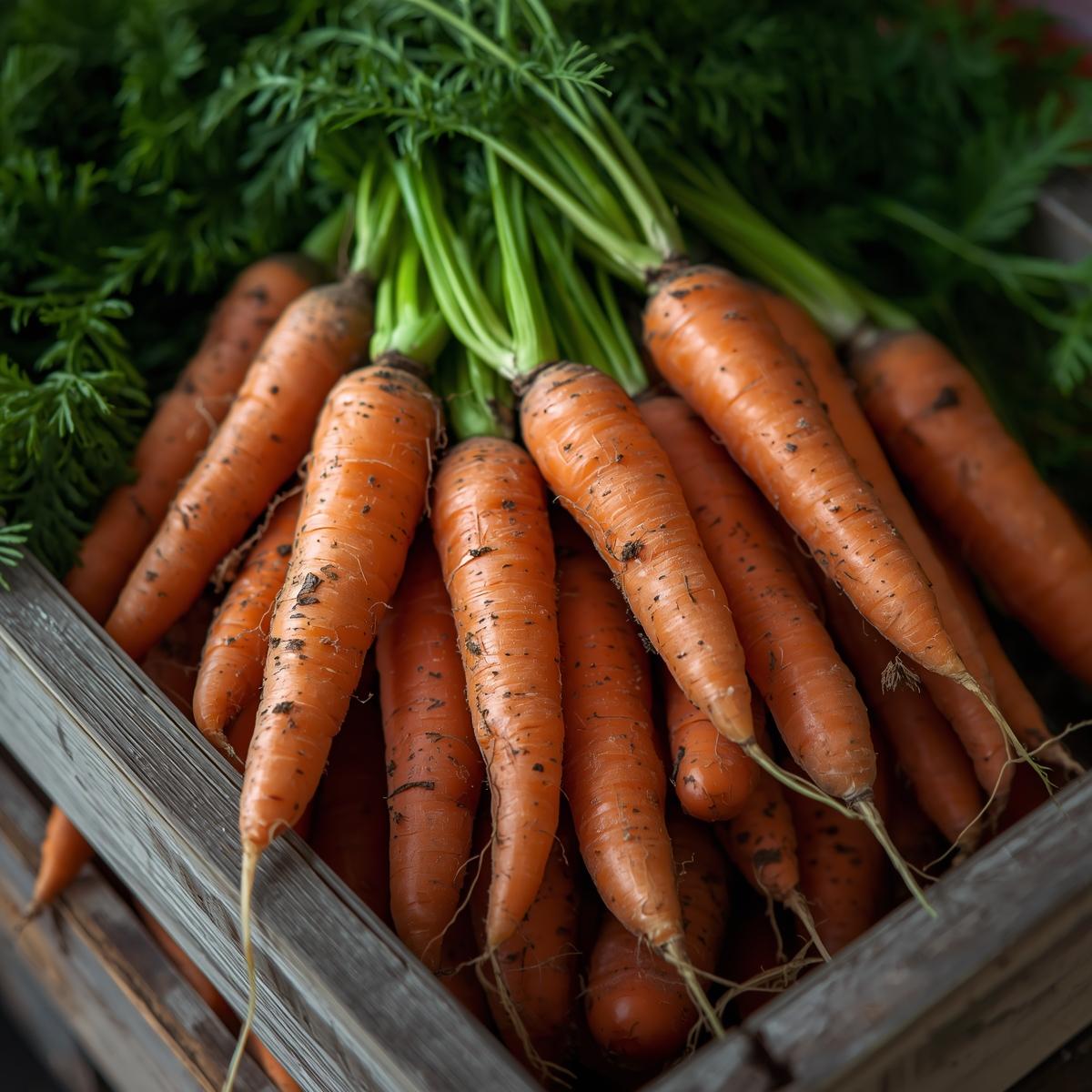

If you’ve ever wondered, “Do carrots need to be refrigerated?”, you’re not alone. Carrots seem sturdy, but their freshness actually depends on how you store them. Whether you’re dealing with grocery store carrots or wondering do carrots need to be refrigerated after picking, the answer varies based on moisture, temperature, and whether the greens are attached.
This guide breaks down exactly when to refrigerate carrots, how to store them for maximum shelf life, and what to do with freshly harvested ones.
Do Carrots Need to Be Refrigerated?
In most cases, yes, carrots should be refrigerated to stay crisp, sweet, and hydrated. Carrots are root vegetables, but once pulled from the soil, they begin losing moisture quickly. Refrigeration slows that process and extends their shelf life dramatically.
How Long Carrots Last in the Fridge
-
Whole carrots: 3–4 weeks
-
Baby carrots: 2–3 weeks
-
Peeled or cut carrots: 5–7 days
By refrigerating them, you’re essentially pausing the natural moisture loss that makes carrots limp.
Do Carrots Need to Be Refrigerated After Picking?
Freshly harvested carrots behave a little differently. If you’re a gardener or buying from a local farm stand, this part is for you.
Right After Harvest
Carrots pulled straight from the garden:
-
Don’t need immediate refrigeration,
-
But should be cleaned and chilled within 24 hours for best quality.
Freshly harvested carrots continue to respire (release moisture), which means they break down faster if left at room temperature for too long.
Before Refrigerating
-
Cut off the leafy tops
The greens steal moisture from the root and cause faster wilting. -
Brush off soil (don’t wash until before use)
Dry storage lasts longer than wet storage. -
Place in a breathable bag
A perforated plastic bag is ideal.
Following these steps ensures you maximize freshness whether you refrigerate immediately or wait a bit.
How to Store Carrots Properly
Keeping carrots crisp comes down to managing moisture—too little dries them out, and too much causes sliminess.
Best Refrigerator Storage Method
To keep carrots crunchy:
-
Place whole carrots in a perforated plastic bag
-
Store in the crisper drawer
-
Keep away from ethylene-producing fruits (like apples or pears), which cause bitterness
Storing Carrots in Water
If you prefer peeled or cut carrots:
-
Place the pieces in an airtight container.
-
Cover them with cold water.
-
Change the water every 2–3 days.
This method keeps carrots crisp and hydrated—perfect for meal prep.
Can You Store Carrots at Room Temperature?
Short answer: yes, but not for long.
Carrots can sit at room temperature for:
-
1–3 days whole
-
Less than 24 hours cut or peeled
Room temperature works for short-term storage if you’re cooking soon, but refrigeration remains the best option for keeping flavor and texture.
Signs Your Carrots Need the Fridge
If you’re still unsure do carrots need to be refrigerated, watch for these freshness signals:
-
Carrots feel rubbery
-
White blush (dryness) appears
-
Tops begin to wilt
-
Condensation forms in the bag
-
Baby carrots dry out or develop slimy spots
Refrigeration halts nearly all of these problems.
FAQs
1. Do carrots need to be refrigerated if unwashed?
Unwashed carrots can last slightly longer at room temperature, but refrigerating them still preserves their texture and flavor best.
2. Should carrots be stored in plastic bags?
Yes—preferably perforated plastic bags, which balance airflow and moisture retention.
3. Do baby carrots need to be refrigerated?
Absolutely. Baby carrots dry out quickly and should always be kept in the fridge.
4. Can you freeze carrots?
Yes, but blanch them first to preserve color and texture. Frozen carrots work best for soups and cooked dishes.
5. Why do my carrots get slimy in the fridge?
Excess moisture trapped in sealed bags causes bacterial growth. Switch to ventilated storage to prevent sliminess.
Conclusion
So, do carrots need to be refrigerated? In almost every case—yes. Keeping them chilled extends their life, preserves their crunch, and prevents moisture loss. Whether they’re store-bought or freshly harvested, proper storage helps you get the most out of every carrot. For more tips, check out guides on storing other vegetables or choosing long-lasting produce.