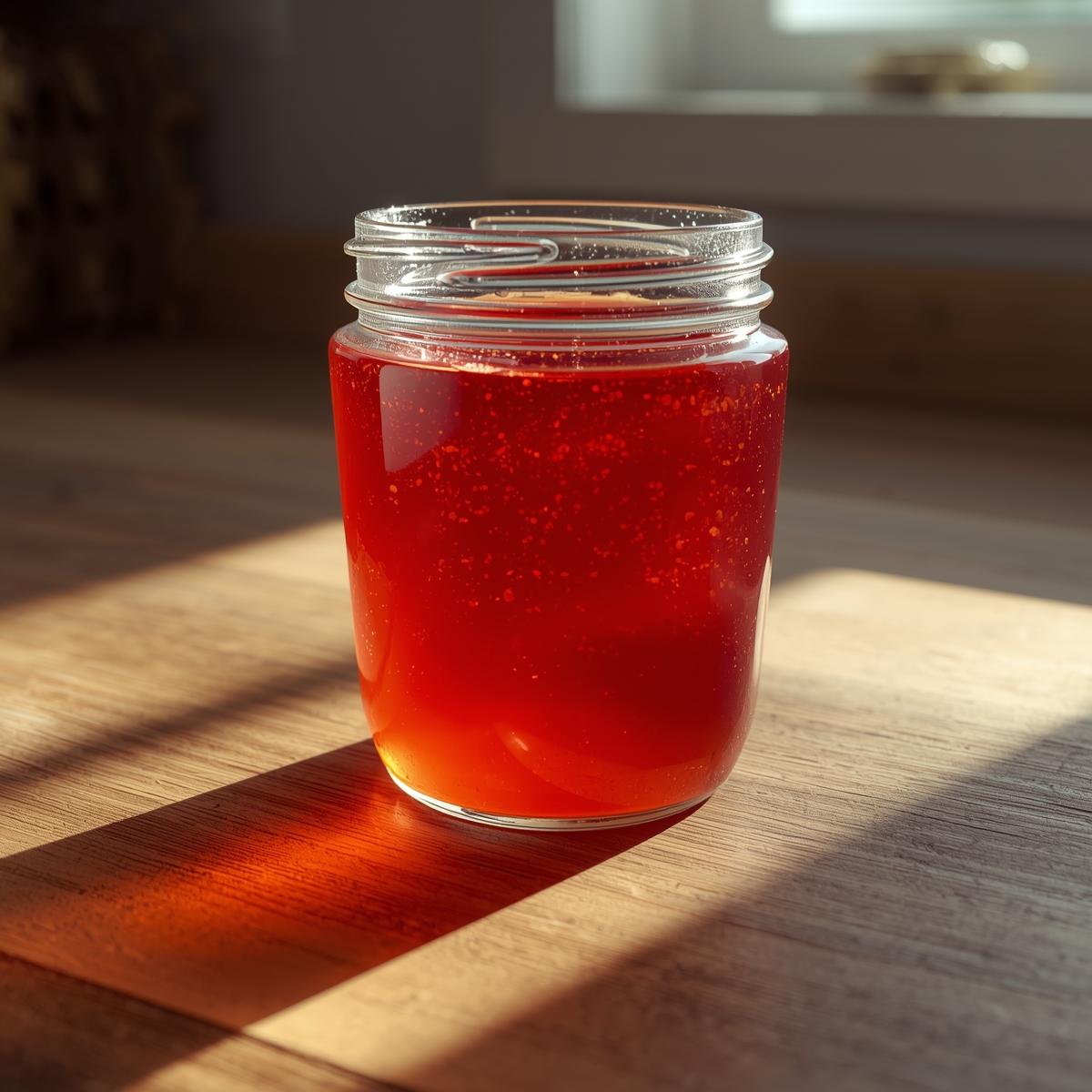

If you’ve ever stood in front of your fridge holding a jar of grape or strawberry jelly and wondered, “Does jelly need to be refrigerated?”—you’re definitely not alone. It’s one of the most common kitchen storage questions, especially since some people store jelly in the pantry while others keep it chilled at all times.
In this guide, we’ll break down whether jelly needs refrigeration, what happens after it’s opened, and how to keep it fresher for longer. Let’s clear up the confusion once and for all.
Does Jelly Need to Be Refrigerated?
Short answer:
Unopened jelly does NOT need to be refrigerated.
Opened jelly SHOULD be refrigerated for best quality and safety.
Why? Jelly has:
-
High sugar content
-
Low moisture
-
Natural preservatives (in many brands)
These factors make jelly relatively shelf-stable before opening. But once the seal is broken, things change.
Does Jelly Need to Be Refrigerated After Opening?
Yes — jelly should be refrigerated after opening to maintain freshness, flavor, and safety.
Even though jelly is high in sugar (which slows bacterial growth), it isn’t completely immune to contamination. After the jar is opened, air, utensils, and room temperatures can introduce:
-
Mold spores
-
Yeast
-
Bacteria
Refrigeration slows down all of these.
Most manufacturers, including Smucker’s and Welch’s, recommend refrigerating jelly after opening to prevent spoilage.
Does Jelly Need to Be Refrigerated After Opened? (Is It Unsafe If You Don’t?)
If you leave opened jelly out for a few hours or even overnight, it’s usually still safe. However, leaving it at room temperature for several days increases the risk of:
-
Mold formation
-
Fermentation
-
Changes in texture or color
-
Loss of flavor
The biggest problem? Mold can grow even in sugary, acidic foods if stored improperly.
So while an opened jar won’t spoil instantly, refrigeration is the smart choice.
Why Does Jelly Need to Be Refrigerated After Opening?
There are four main reasons:
1. Reduced Mold Growth
Mold thrives in moist environments. Once you open the jar, oxygen exposes the jelly, increasing the risk of mold.
2. Sugar Isn’t a Perfect Preservative
Sugar slows microbial growth—but doesn’t stop it completely.
3. Longer Shelf Life
Refrigeration preserves:
-
Color
-
Flavor
-
Texture
Room-temperature jelly can darken or separate over time.
4. Prevents Cross-Contamination
Using a knife that touched bread introduces crumbs, bacteria, and moisture into the jar. Refrigeration minimizes the risk.
How Long Does Jelly Last?
| Storage Method | Shelf Life |
| Unopened, pantry | 12–24 months |
| Opened, refrigerated | 6–12 months |
| Opened, room temperature | 1–4 weeks (quality declines faster) |
Brands with fewer preservatives expire faster.
Best Practices for Storing Jelly
Follow these tips to keep jelly fresh and safe:
1. Refrigerate After Opening
Always store opened jelly at 40°F (4°C) or below.
2. Use Clean Utensils Only
Do not dip a knife that has touched other foods.
3. Keep the Lid Tightly Closed
Exposure to air causes jelly to spoil faster.
4. Store in a Cool, Dark Pantry Before Opening
Heat can cause flavor changes.
5. Check for Spoilage Before Eating
Even refrigerated jelly can develop mold if contaminated.
Signs Your Jelly Has Gone Bad
Throw your jelly away if you notice:
-
Visible mold (even a tiny spot)
-
Sour or fermented smell
-
Bubbly or foamy texture
-
Change in color (very dark, brownish tint)
Never scrape mold off jelly and eat the rest.
Mold roots can spread deep into the jar.
Does Homemade Jelly Need to Be Refrigerated?
Yes — even more urgently than store-bought jelly.
Homemade jelly has:
-
Less sugar (sometimes)
-
No commercial preservatives
-
Higher contamination risk
Always refrigerate homemade jelly immediately after opening, and sometimes even before opening unless properly canned.
Can You Freeze Jelly?
Absolutely. Freezing extends shelf life up to one year.
Freeze it in:
-
Airtight containers
-
Freezer-safe jars
-
Silicone molds (for small portions)
Thaw in the refrigerator for best results.
Read also <<< Does Fish Sauce Need to Be Refrigerated?
FAQs About Jelly Storage
1. Do people need to refrigerate jelly after opening it?
Yes. Refrigeration keeps jelly fresh, tasty, and safe.
2. What happens if you don’t refrigerate opened jelly?
It can develop mold, lose flavor, or ferment.
3. Can you eat jelly left out overnight?
Usually yes — but check for signs of spoilage first.
4. Why do people need to refrigerate jelly?
To prevent mold, contamination, and texture changes.
5. How long does opened jelly last in the fridge?
Typically 6–12 months.
6. Is unrefrigerated jelly safe?
Unopened jelly is safe, and you should refrigerate opened jelly
7. Does sugar-free jelly need refrigeration?
Yes — even more so, since sugar isn’t present to help preserve it.
Conclusion: So, Does Jelly Really Need to Be Refrigerated?
Here’s the final verdict:
-
Unopened jelly does NOT need refrigeration.
-
Opened jelly SHOULD be refrigerated to prevent mold and extend freshness.
-
Jelly lasts longer, tastes better, and stays safer when chilled.