
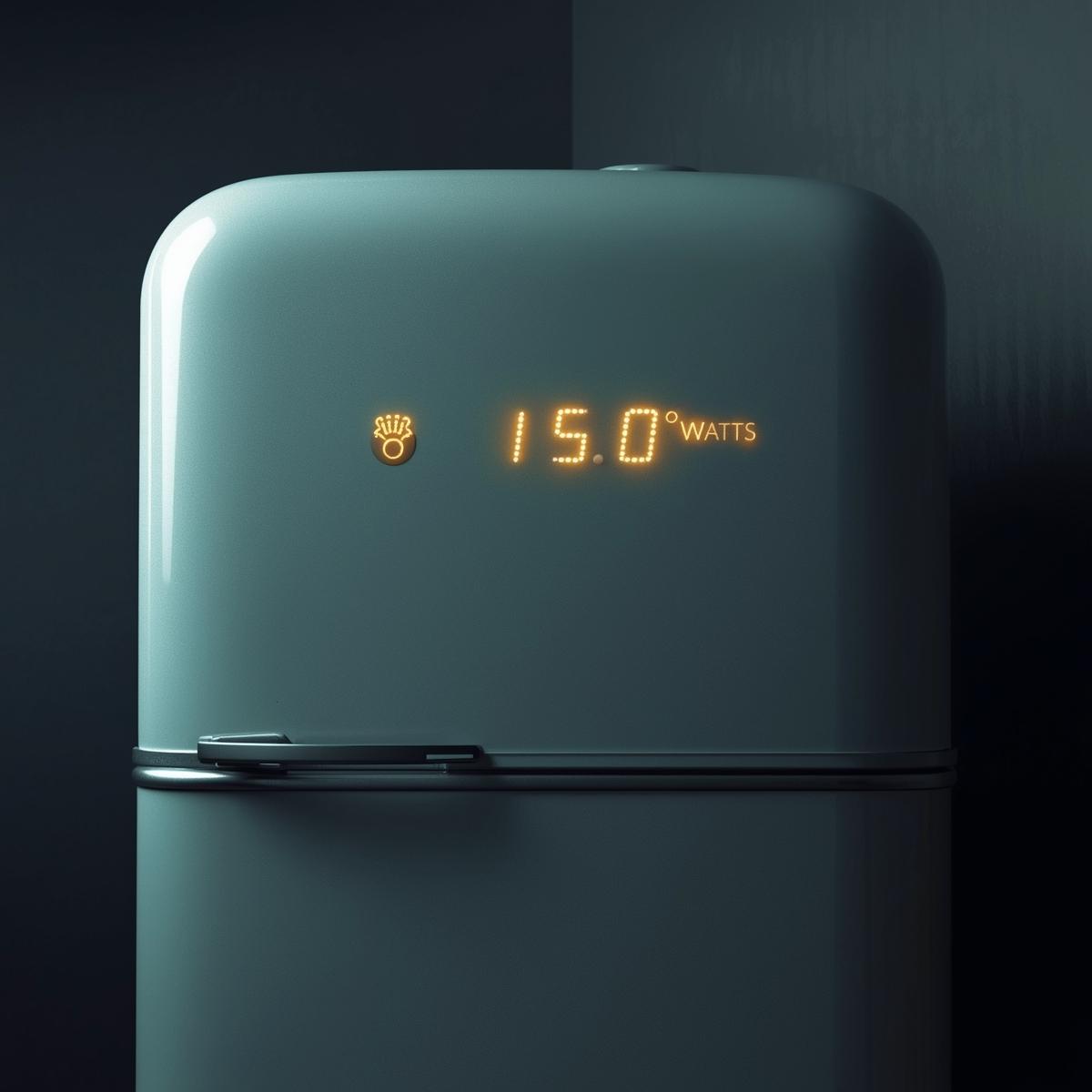

If you’ve ever wondered how much watts does a refrigerator use, you’re not alone. Fridges run 24/7, so it’s natural to want to understand their energy needs—especially when electricity bills keep rising. The good news? Once you break down the wattage, the numbers actually make a lot more sense.
This guide walks you through real averages, how to calculate your fridge’s wattage, how much watts a refrigerator uses per hour, and easy ways to reduce energy use at home.
How Many Watts Does a Refrigerator Use?
Most modern refrigerators use between 100 and 400 watts while running. But that number isn’t as fixed as it seems. Refrigerators cycle on and off throughout the day, so they don’t draw full power continuously.
Why the Range Varies
A fridge’s wattage depends on factors like:
-
Size: Larger units (and French-door models) draw more power.
-
Age: Older refrigerators are far less efficient.
-
Compressor type: Inverter compressors use fewer watts.
-
Temperature settings: Lower temperatures = higher watt draw.
-
Room temperature: A fridge works harder in warm spaces.
Using the target keyword naturally: Understanding how much watts a refrigerator uses helps you estimate daily electricity costs more accurately.
How Much Watts Does a Refrigerator Use Per Hour?
Although the fridge may be rated at 150–400 watts, it only runs its compressor about 30–40% of the time. That means the actual hourly usage is much lower.
Typical Hourly Wattage
Most households can expect:
-
Average hourly consumption: 50–120 watt-hours
-
Older or oversized models: 150–200 watt-hours
-
Energy Star models: As low as 30–60 watt-hours
In simple terms, how much watts does a refrigerator use per hour depends on how often the compressor kicks on.
How to Calculate Your Refrigerator’s Wattage
If you want exact numbers, here’s the easiest way to measure your fridge’s energy use.
Method 1: Check the Appliance Label
Usually found inside the fridge or on the back.
It lists either:
-
Running watts, or
-
Amps (A) and volts (V)
Use the formula:
Watts = Volts × Amps
Method 2: Use a Plug-in Energy Meter
A Kill-a-Watt meter or similar device tracks your:
-
Hourly usage
-
Daily consumption
-
Monthly electricity cost
This is the most accurate option.
Average Wattage by Refrigerator Type
Here’s a quick breakdown of typical wattage ranges:
| Refrigerator Type | Estimated Running Watts | Notes |
| Mini fridge | 50–100W | Light cycles, ideal for dorms/offices |
| Top-freezer fridge | 100–250W | Most efficient full-size option |
| Side-by-side fridge | 250–350W | Higher surface area = more watts |
| French-door fridge | 300–400W+ | Premium features increase energy draw |
How to Reduce Refrigerator Wattage Use
Even small changes can save energy—especially since the fridge runs nonstop.
Energy-Saving Tips
-
Keep the fridge ¾ full
This stabilizes temperature without blocking airflow. -
Clean the condenser coils
Dusty coils increase watt usage. -
Check the door seal
A poor seal forces the compressor to run longer. -
Avoid placing hot food inside
It makes the fridge work harder. -
Increase ventilation around the fridge
A cramped space traps heat. -
Upgrade to an Energy Star model
Newer models can use 40–60% less power.
How Many Watts Does a Refrigerator Use Per Day?
If your fridge uses roughly 100 watt-hours per hour (on average), here’s what that looks like:
-
Per day: ~1.0–1.5 kWh
-
Per month: 30–45 kWh
-
Per year: 360–540 kWh
Older fridges can easily double these numbers.
FAQs
1. How many watts does a refrigerator use at startup?
Startup wattage (surge) can be 2–3 times higher than running watts, often reaching 600–1200 watts.
2. Do mini fridges use a lot of electricity?
Not usually. They use between 50–100 watts, making them more efficient for small spaces.
3. Does keeping the fridge full reduce electricity use?
Yes—cooler mass helps stabilize temperature, reducing compressor workload.
4. Are inverter refrigerators more efficient?
Absolutely. They adjust power draw based on cooling needs instead of turning fully on/off.
5. Is it cheaper to leave a fridge running or turn it off?
Always leave it running. Turning it off causes food spoilage and forces the fridge to work harder when restarted.
Conclusion
Knowing how much watts a refrigerator uses helps you estimate energy costs and choose more efficient appliances. Most modern fridges fall between 100 and 400 watts, but actual hourly consumption is much lower thanks to cycling. By measuring your fridge’s wattage and applying a few energy-saving habits, you can reduce electricity bills without sacrificing performance.
If you want to keep learning, explore related guides like energy-efficient appliances or compare wattage charts for other home devices.