
Tomatoes are a kitchen staple, adding flavor and nutrition to salads, sauces, and sandwiches. But one question often arises: do tomatoes need to be refrigerated? Storing tomatoes incorrectly can affect their taste, texture, and shelf life. Whether whole, sliced, or chopped, proper storage ensures you enjoy that sweet, tangy flavor in every bite.
In this guide, we’ll explore how to store tomatoes, when refrigeration is necessary, and expert tips to keep them fresh longer.
Should You Refrigerate Whole Tomatoes?
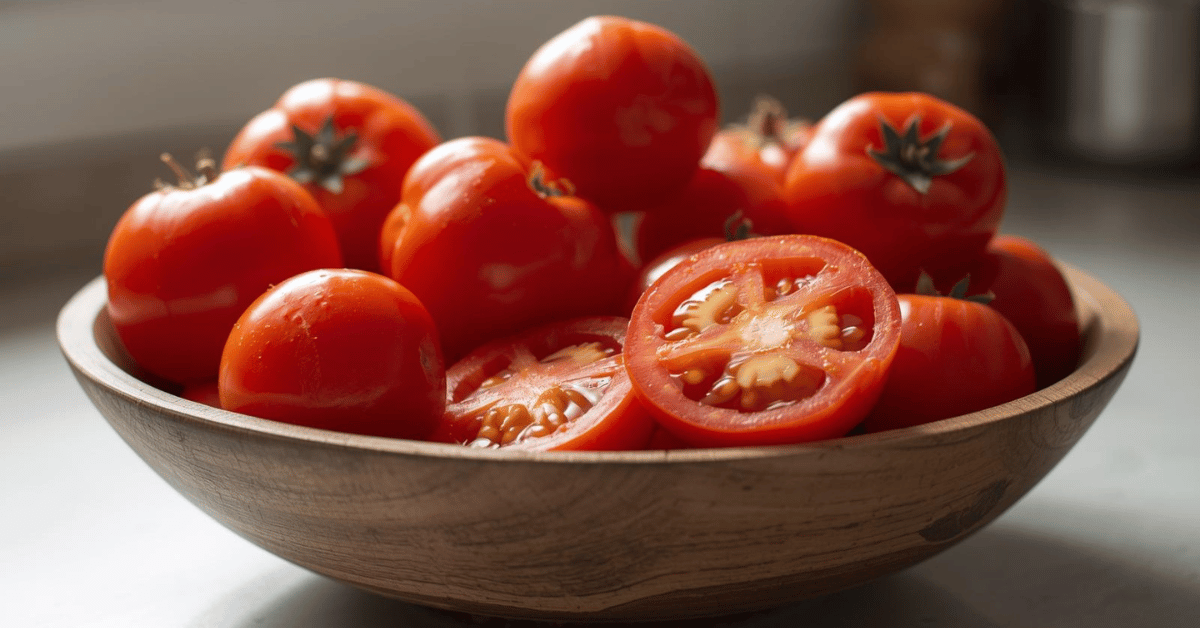
The short answer: usually, no. Whole tomatoes fare best at room temperature, away from direct sunlight. Here’s why:
-
Preserves flavor: Cold temperatures can dull the natural sweetness of tomatoes.
-
Maintains texture: Refrigeration can cause tomatoes to become mealy or mushy.
-
Optimal ripening: Tomatoes continue to ripen at room temperature, reaching peak flavor.
Tip: Store tomatoes stem-side down on the counter to reduce moisture loss and prevent bruising.
Do Tomatoes Need to Be Refrigerated After Being Cut?
Yes. Once a tomato has been sliced, diced, or otherwise cut, refrigeration is necessary:
-
Slows bacterial growth: Cutting exposes the inner flesh to air and microbes.
-
Maintains freshness: Refrigeration helps preserve texture and prevents spoilage.
-
Storage tips: Place cut tomatoes in an airtight container or wrap tightly in plastic wrap.
Shelf life: Cut tomatoes can last 1–2 days in the fridge, making it best to consume them quickly.
Do Tomatoes Need to Be Refrigerated After Slicing?
Slicing is essentially the same as cutting:
-
Store in the fridge immediately.
-
Use within 24–48 hours for optimal taste and texture.
-
Keep separated from strong-smelling foods to avoid flavor absorption.
Pro Tip: Allow refrigerated sliced tomatoes to sit at room temperature for 15–20 minutes before eating. This can help restore some of their natural flavor and juiciness.
Tips for Proper Tomato Storage
-
Keep unripe tomatoes at room temperature until they fully ripen.
-
Avoid plastic bags for whole tomatoes—they trap moisture and promote mold.
-
Separate from ethylene-sensitive produce: Tomatoes emit ethylene, which can accelerate ripening of nearby fruits and vegetables.
-
Refrigerate only when necessary: Overripe or cut tomatoes benefit from cold storage.
Read also <<< How Long Do Fresh Eggs Last Without Refrigeration?
FAQs About Tomato Storage
Q: Can refrigeration ruin tomatoes?
A: Yes, storing whole, ripe tomatoes in the fridge can make them mealy and reduce flavor.
Q: How long can cut tomatoes last in the fridge?
A: Typically 1–2 days when stored in an airtight container.
Q: Can you freeze tomatoes?
A: Yes, but freezing changes their texture. Best for sauces or soups, not fresh eating.
Q: Should cherry tomatoes be refrigerated?
A: Whole cherry tomatoes are best at room temperature. Refrigerate only if sliced or overripe.
Conclusion
So, do tomatoes need to be refrigerated? Whole tomatoes are happiest at room temperature, while cut or sliced tomatoes should always be refrigerated to maintain safety and freshness. By following these storage tips, you can enjoy flavorful, juicy tomatoes longer and prevent waste.