
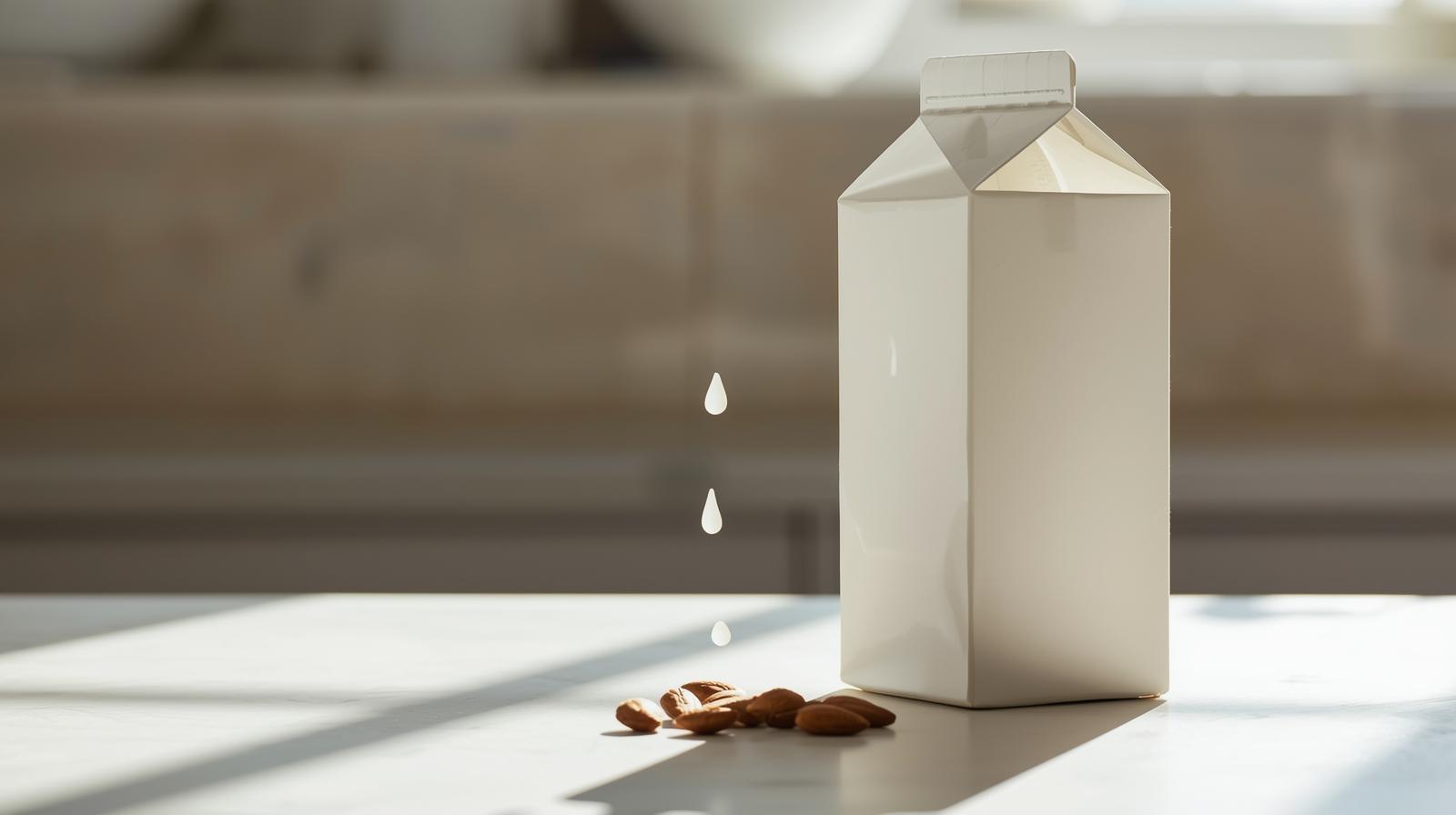

Almond milk has become a pantry staple for many, especially those seeking dairy alternatives. But a common question arises: does almond milk need to be refrigerated? The answer depends on the type of almond milk you buy, whether it’s opened or unopened, and the storage conditions. Understanding this is key to keeping your almond milk fresh and safe to consume.
In this guide, we’ll break down when and why almond milk requires refrigeration, the differences between shelf-stable and refrigerated varieties, and tips for extending its shelf life.
Shelf-Stable vs. Refrigerated Almond Milk
Almond milk comes in two main forms:
1. Shelf-Stable Almond Milk
-
Packaged in aseptic cartons that don’t require refrigeration before opening.
-
Can be stored at room temperature for several months, depending on the expiration date.
-
Ideal for pantry storage but must be refrigerated immediately after opening.
2. Refrigerated Almond Milk
-
Found in the dairy section and always kept cold.
-
Must be stored in the fridge both before and after opening.
-
Typically has a shorter shelf life than shelf-stable versions.
Does Almond Milk Need to Be Refrigerated Before Opening?
-
Shelf-stable almond milk: No, it does not need refrigeration before opening. Keep it in a cool, dry place away from sunlight.
-
Refrigerated almond milk: Yes, it must remain cold from the moment you buy it.
Tip: Always check the packaging for storage instructions as they can vary by brand.
Does Almond Milk Need to Be Refrigerated After Opening?
Yes, all almond milk must be refrigerated once opened, regardless of type. Refrigeration slows bacterial growth and prevents spoilage.
-
Keep the container tightly sealed.
-
Consume within 7–10 days of opening, even if the expiration date is later.
-
Shake well before use, as separation may occur.
Why Does Almond Milk Need to Be Refrigerated?
-
Prevent bacterial growth: Once exposed to air, almond milk can spoil quickly at room temperature.
-
Maintain taste and texture: Refrigeration keeps it smooth and prevents curdling or souring.
-
Prolong shelf life: Cold storage ensures it stays fresh for the recommended period after opening.
Tips for Storing Almond Milk
-
Always store in the main body of the fridge, not the door, to avoid temperature fluctuations.
-
Keep it tightly sealed to prevent odor absorption from other foods.
-
Check for off smells, sour taste, or curdling, which indicate spoilage.
-
If you have leftover shelf-stable almond milk, transfer it to the fridge immediately after opening.
Read also <<< Does Wine Have to Be Refrigerated After Opening?
FAQs About Almond Milk Storage
Q: Does almond milk need to be refrigerate if not opened?
A: Only refrigerated varieties must stay cold. Shelf-stable almond milk can remain at room temperature until opened.
Q: Can almond milk go bad if left out too long?
A: Yes. Once opened, leaving it out at room temperature for more than 2 hours can promote bacterial growth.
Q: How long does almond milk last in the fridge?
A: Typically 7–10 days after opening, regardless of whether it’s shelf-stable or refrigerated type.
Q: Does almond milk need to be shaken?
A: Yes, natural separation occurs, so shaking ensures even consistency.
Conclusion
So, does almond milk need to be refrigerated? The answer depends on the type and whether it’s opened. Shelf-stable almond milk can stay on your pantry shelf until opened, while refrigerated almond milk must always stay cold. After opening, all almond milk should be refrigerated to maintain safety, taste, and texture. By following these storage tips, you can enjoy your almond milk fresh and flavorful every time.