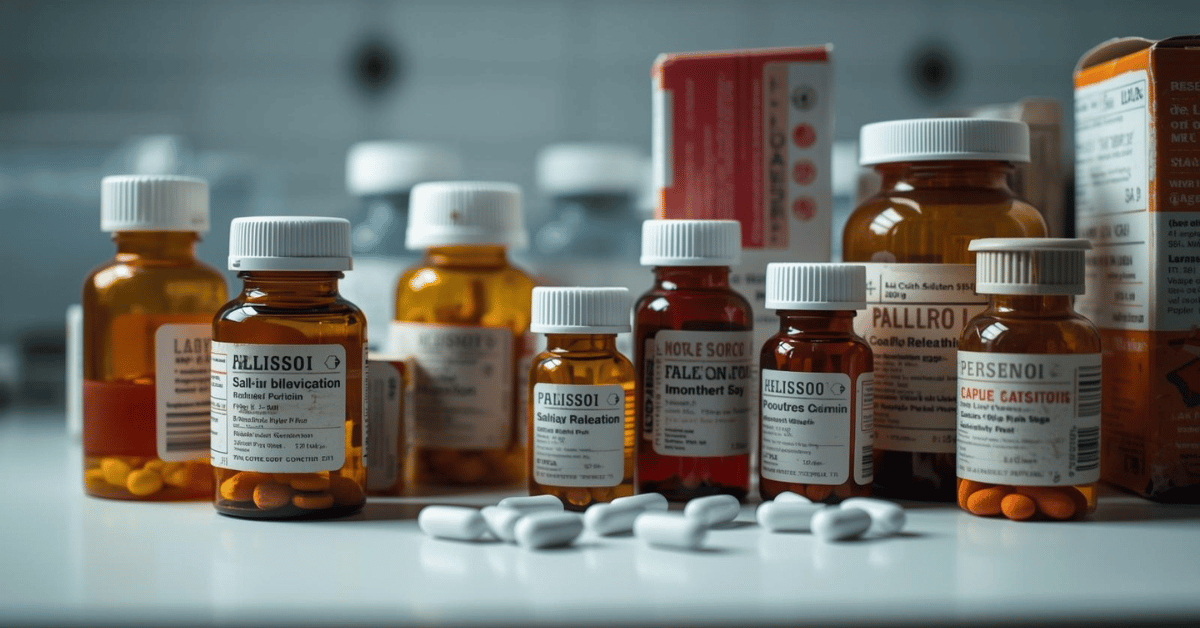

We’ve all peeked at a medicine bottle in our cabinet and wondered, “How long can you use medicine after expiration date?” While it might seem harmless to take a few expired pills, understanding the safety and effectiveness of expired medications is essential. In this article, we’ll explore what the expiration date really means, how long some medicines might remain usable, and the potential risks of taking expired drugs.
What Does the Expiration Date Really Mean?
The expiration date on medicine packaging isn’t just a suggestion—it’s the date until which the manufacturer guarantees full potency and safety.
-
Potency: After this date, the medication may gradually lose strength, which could reduce effectiveness.
-
Safety: While most medications don’t become toxic immediately after expiration, some may degrade into harmful compounds over time.
-
Storage matters: Medicines kept in cool, dry places generally last longer than those exposed to heat or moisture.
How Long Can Medicine Be Used After Expiration?
The reality is that some medications retain effectiveness past their expiration date, but it varies:
-
Tablets and capsules: Some can remain effective for 1–5 years if stored properly.
-
Liquid medicines: These degrade faster and usually shouldn’t be used beyond a few months past expiration.
-
Critical medications: Insulin, nitroglycerin, and antibiotics may lose potency quickly, so it’s safest not to use them after expiration.
Important note: While certain pills might still work after their expiration date, using expired medicine for serious conditions is risky because of reduced potency.
Risks of Taking Expired Medication
Taking medicine past its expiration date can have consequences, including:
-
Reduced effectiveness: You may not get the full dose you need, which is particularly risky for chronic conditions or infections.
-
Potential side effects: Some degraded medicines could cause stomach upset or allergic reactions.
-
Compromised treatment: Using expired antibiotics or heart medications can lead to treatment failure or worsening symptoms.
Tips for Safe Medication Use
To minimize risks and ensure your medicine works effectively:
-
Check expiration dates regularly: Discard expired medications safely.
-
Proper storage: Keep medicines in a cool, dry, dark place away from humidity.
-
Use alternatives: When in doubt, replace expired medications with fresh supplies.
-
Consult professionals: Always ask your pharmacist or doctor if you’re unsure about a specific medication.
FAQs About Expired Medications
Q: Can you use medicine 6 months past expiration?
A: It depends on the type of medicine. Some tablets may still be effective, but critical medications like insulin or antibiotics should not be used.
Q: Is it dangerous to take expired antibiotics?
A: Yes. They may be less effective, risking incomplete treatment and antibiotic resistance.
Q: What about liquid medications?
A: Liquid forms like cough syrup can degrade quickly and should generally not be used past expiration.
Q: Can expired painkillers be harmful?
A: Most painkillers are unlikely to be toxic immediately after expiration, but their potency may be reduced.
Q: How should I dispose of expired medicine?
A: Check local guidelines—many pharmacies have safe medicine disposal programs.
Conclusion
Knowing how long you can use medicine after expiration date is crucial for safety and effectiveness. While some medications may retain potency past their expiration, relying on expired medicine for serious health conditions can be risky. Always check dates, store medications properly, and consult your pharmacist or doctor when unsure. Staying informed ensures that your treatments remain safe and effective.