
We all look forward to the latest smartphones, but there’s more to new releases than just speed and cameras. Often, the hinge mechanism in foldable devices gets little attention, even though it can make or break your user experience. That tiny joint determines how smoothly your phone opens, how long the screen lasts, and whether creases form over time. Have you ever wondered what makes one hinge more reliable than another?
The key lies in materials, engineering tolerances, and real-world testing. By learning how different brands approach hinge design, you can pick a foldable phone that won’t fail you after a few months of daily use. This insight helps you avoid early-screen cracks or annoying creases and makes sure you choose a model that truly fits your lifestyle.
Mobile Launch Trends
Every year, top brands roll out flagship phones packed with new features—faster chips, improved cameras, and smarter AI. At CES 2026, we saw a shift toward more sustainable materials and under-display cameras that hide away until you need them. These trends show that manufacturers are listening to user feedback about design flaws and battery anxiety.
Beyond core specs, many launches now emphasize modular upgrades. Instead of buying a brand-new phone every year, you might swap out a better battery pack or a higher-resolution wide-angle lens. This approach reduces e-waste and stretches the device lifecycle.
To stay updated, follow industry recaps like CES 2026 highlights, where annual technology showcases reveal how companies plan to outdo each other. Checking these reports gives you an early glance at upcoming foldable releases and lets you set realistic expectations for price and performance.
Foldable Phone Rise
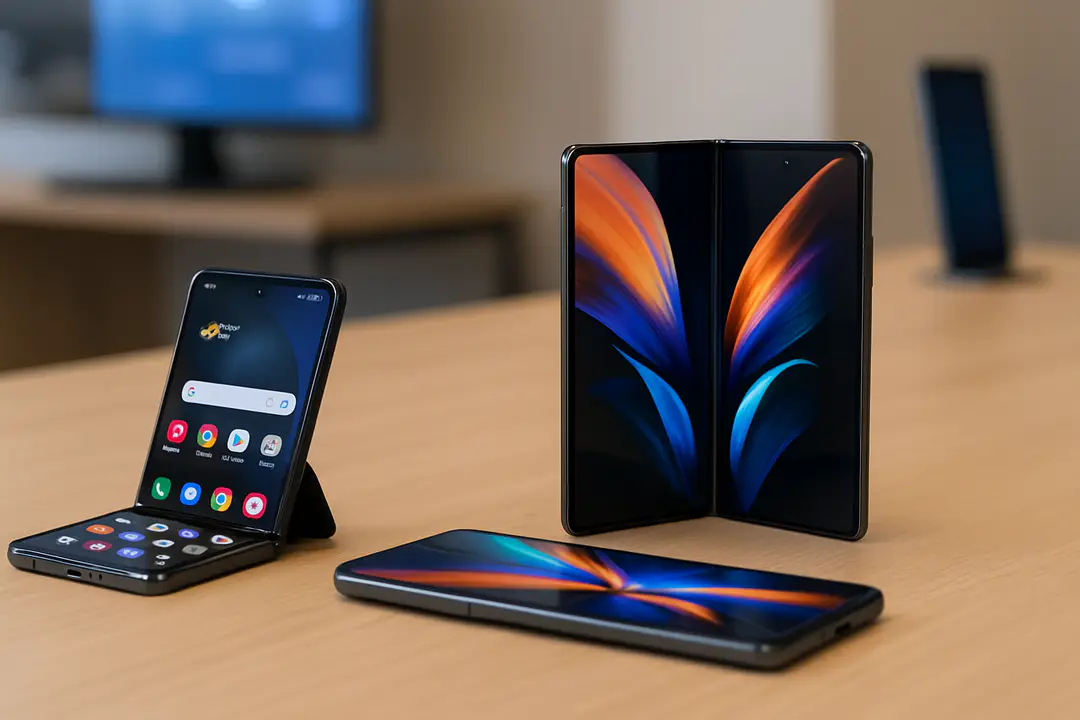
Foldable phones have come a long way from bulky prototypes to sleek consumer devices. Early models often suffered from thick screens and unstable hinges. Today’s rivals offer near-tablet displays, refined chassis, and slimmer bezels. The competition has heated up as brands like Samsung, Huawei, and newer entrants vie for market share.
The biggest challenge has always been balancing screen flexibility with toughness. Manufacturers now use multi-layer polymers and ultra-thin glass to protect the display. Meanwhile, precision-engineered hinges made from stainless steel or titanium ensure a satisfying snap without wobble.
Brands differentiate themselves with software tweaks. You’ll find split-screen multitasking, taskbars, and camera modes designed specifically for larger, foldable panels. These unique features make it easier to justify the higher cost compared to a regular slab phone.
If you’re watching the foldable market, keep an eye on newcomers offering budget alternatives. These models might sacrifice a bit of rigidity in exchange for a sub-$900 price tag. As competition grows, even established names may introduce lower-cost foldables within the next year.
Screen Tech Showdown
When comparing foldables, the display is king. AMOLED remains the top choice for vibrant colors and deep blacks, while LTPO backplanes help save battery life by dynamically adjusting refresh rates. Here’s a quick comparison of popular panels used in recent foldables:
| Brand | Screen Type | Refresh Rate | Durability Rating |
|---|---|---|---|
| Samsung Galaxy Z Fold | Dynamic AMOLED 2X | 120 Hz | 7H (UTG) |
| Huawei Mate X | OLED Flex | 90 Hz | 6H (Polymer) |
| Motorola Razr | P-OLED | 144 Hz | 6.5H (UTP) |
| Xiaomi Mix Fold | OLED Flex+ | 120 Hz | 7H (UTG) |
Understanding these specs helps you weigh trade-offs between smoothness, power savings, and scratch resistance. If you use heavy graphics or gaming apps, a higher refresh rate is essential. For everyday use, a sturdy ultra-thin glass layer rated 7H will keep your foldable looking fresh longer.
Durability and Design
Beyond the screen and hinge, the outer shell and internal frame determine how well a foldable stands up to drops and daily wear. Aluminum alloys and microfiber films are common choices for the chassis. They keep weight down without compromising rigidity.
Manufacturers also apply water- and dust-resistance coatings to protect internal parts. While a full IP68 rating is rare on foldables, many models now manage IPX8 for splash resistance. Look for nano-polymer seals around the hinge to keep grit out.
Practical tip: always use the case provided by the brand or opt for a custom folio cover. This adds an extra layer of protection against screen scratches and accidental impacts. Many official cases wrap around the hinge and support wireless charging simultaneously.
Regularly inspect the hinge gap and clean it with a soft brush to remove debris. A little maintenance goes a long way in preventing stiffness or uneven folding down the road.
Price Versus Value
Foldables often carry premium price tags, but competition is driving costs down. Here’s a snapshot of current price ranges:
- Entry-level foldables: $800–$900
- Mid-range foldables: $1,000–$1,200
- Flagship foldables: $1,300–$1,800+
Entry models might omit water resistance or use thicker polymers, while flagships boast top-tier processors and refined hinge systems. Think about which features matter most to you. If you value a polished camera and robust software support, investing in a flagship makes sense.
Many carriers and retailers offer trade-in deals and installment plans to ease the financial hit. If you’re leasing hardware or upgrading annually, spread-out payments can feel more manageable. But beware of hidden fees and watch out for locked-in contracts that can limit your flexibility.
Reader tip: Check for seasonal promotions—big tech events and holidays often bring substantial savings. Pair these deals with carrier incentives to lower the effective cost by $200–$300.
Future Foldable Outlook
Foldables are just one chapter in a larger narrative of mobile innovation. As manufacturers explore rollable and slidable forms, we’ll see new device categories emerge. You can track these shifts in articles like how tech giants envision the future beyond smartphones, which dives into concept devices and advanced materials under development.
Key advancements to watch include under-panel cameras that vanish completely, self-healing polymer screens, and AI-driven battery management that adapts to your usage patterns. By the time foldables hit mainstream price points, you might be choosing between folding, rolling, and stretching displays.
To stay informed, follow major tech expos and developer conferences. Early adopters often benefit from trade-in bonuses on their first-generation models, paving the way for smoother upgrades to next-gen designs.
Ultimately, the foldable phone arena is just the beginning of a flexible future. The devices you buy today will influence the shape of smartphones for years to come.
Conclusion
Mobile tech launches and foldable rivals mark an exciting turning point in how we interact with our devices. By understanding hinge design, screen materials, and durability factors, you’re better equipped to choose a foldable that aligns with your daily routine and budget.
Compare specs like refresh rates and polymer ratings, weigh price versus value, and keep an eye on emerging rollable and slidable models. Practical maintenance—like cleaning the hinge and using a protective case—will extend your phone’s lifespan and keep it performing at its best.
Staying informed through CES recaps and expert previews ensures you won’t miss out on game-changing features. As the market grows more competitive, you’ll find foldables that fit every pocket and purpose.
Ready to fold into the future? Armed with these insights, you can invest wisely, avoid common pitfalls, and enjoy the next wave of mobile innovation without the headaches.