
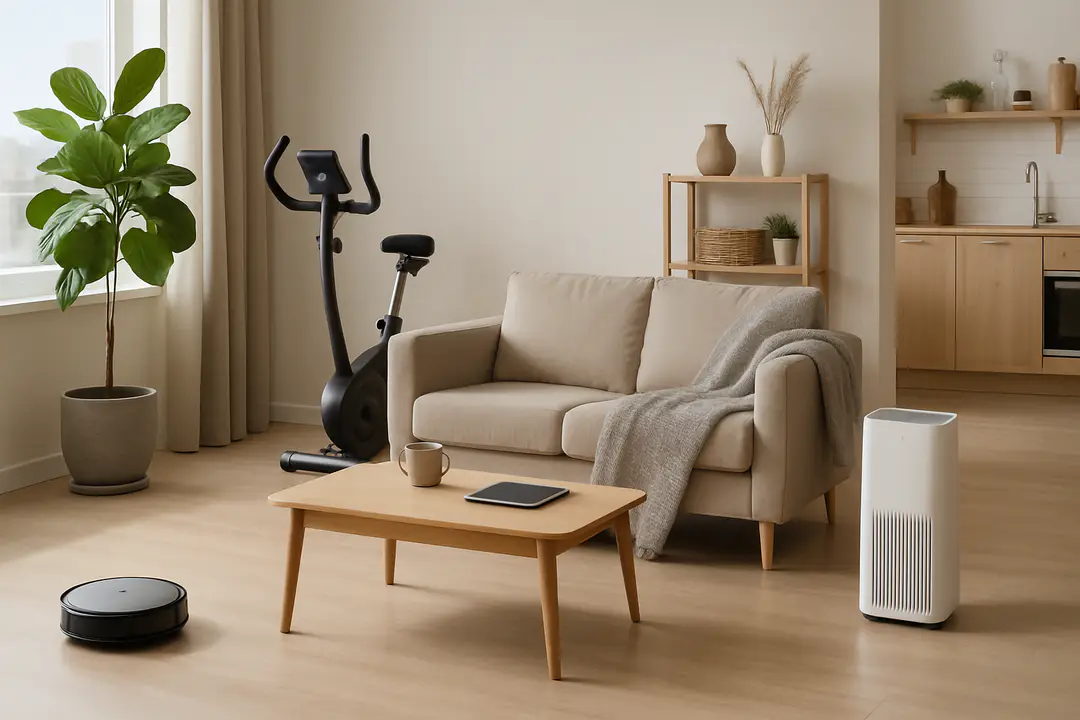

We all know that our daily routines shape our sense of well-being and productivity. Yet few pause to consider how the tiny choices in our digital and physical environments truly steer our habits. From the arrangement of our living room to the way notifications pop up on our phones, these subtle factors can define our comfort and focus. Have you ever stopped to wonder how small tweaks in your home or tech setup might change your life for the better?
Understanding these overlooked details is the key to smart living. By tuning into how we interact with devices, spaces, and schedules, we gain control over stress, energy use, and even mood. When you learn to adjust one setting or commit to a new habit, you can save time, money, and mental space. Let’s explore how embracing these insights can help you make informed choices and avoid unwanted surprises.
Smart Home Integration
Smart home gadgets are more than a convenience—they’re a way to streamline daily tasks and cut energy bills. Voice assistants like Alexa or Google Home let you control lights, thermostat, and even your coffee maker without lifting a finger. These routines free up mental load and give you small wins first thing in the morning.
Practical tip: Set “scenes” for common activities. A single command can dim lights, adjust temperature, and play your morning playlist. This saves seconds that add up to hours over a year. Another hack is to schedule energy-saving modes when you leave home; some hubs detect when everyone leaves and switch off nonessential devices automatically.
Data point: Automating your thermostat can cut heating and cooling bills by up to 15%. And linking devices with a single hub or app reduces frustration from juggling multiple platforms. Start with one room—often the living area or kitchen—and expand as you feel comfortable. Small steps build confidence and keep costs low.
Sustainable Lifestyle Choices
Moving toward eco-friendly habits can be simple and budget-friendly. Here are five easy changes to shrink your carbon footprint:
- Use reusable bags, bottles, and coffee cups daily.
- Buy second-hand clothes or swap items with friends.
- Eat seasonal fruits and veggies to cut transport emissions.
- Start a small compost bin for kitchen scraps.
- Install water-saving showerheads or faucet aerators.
Each habit takes minutes to adopt but yields savings over time. For example, cutting bottled water can save up to £300 per year. Composting food waste not only reduces landfill impact but also enriches soil for home gardens or potted plants. You’ll see and feel the benefits in lower bills and fresher meals.
Practical tip: Keep reusable items by the door or in your bag so you never forget them. Use calendar alerts to track compost emptying or water filter replacements. Small reminders prevent backsliding into old routines.
Mindful Wellness Routines
Wellness trends continue to grow as people seek balance in busy lives. Meditation, journaling, and short digital detoxes are top tools. Even five minutes of deep breathing can lower stress by 20% and improve focus for the next task.
Try a simple morning ritual: sit quietly for two minutes, note three things you’re grateful for, then jot down today’s top priority. This sets a calm tone and clarifies purpose before email or social media take over.
Another idea is to schedule “tech sunsets”—power down screens an hour before bed. This practice boosts sleep quality by reducing blue light exposure. Many who try it report falling asleep 10–15 minutes faster and waking more rested.
Practical tip: Use a reminder app or alarm labeled “unplug” rather than “stop scrolling.” A friendly cue feels encouraging. Over time, these pauses become second nature and keep burnout at bay.
Remote Work Essentials
With more people working from home, a functional setup is vital. Here are five must-haves:
- Ergonomic chair and adjustable desk to protect posture.
- Noise-cancelling headphones for focused calls or deep work.
- High-speed internet with a Wi-Fi extender if needed.
- Task management app like Trello or Asana for team coordination.
- Blue-light screen filter or glasses to reduce eye strain.
Bonus hack: learn how to capture screens quickly on your Chromebook. Sharing clear visuals speeds up feedback loops and avoids confusing email chains.
Data insight: Proper ergonomics and focus tools can boost productivity by up to 25%. And clear digital workflows reduce meeting time by nearly 30%. When your environment supports work rather than distracts, you get more done in fewer hours.
Digital Minimalism Practices
We carry tiny computers in our pockets, yet many of us feel overwhelmed by constant pings. Digital minimalism means choosing carefully which tools serve our goals and ditching the rest.
Begin by auditing your apps. Ask: “Does this app add real value?” If not, remove it. Next, group remaining apps into folders labeled by purpose—work, social, learning. This visual order cuts scrolling time.
Set strict notification rules. Allow only urgent alerts from key contacts or calendar reminders. Turn off all others. You’ll find interruptions drop by over 60%, helping you stay present.
Practical tip: Create “phone-free zones” at meals or in the bedroom. Use a simple charging basket to keep devices out of reach. Over weeks, you’ll notice more genuine connections and fewer restless moments.
Side Hustles and Gig Work
More people are supplementing income with freelance or gig projects. Whether it’s selling crafts, driving part-time, or consulting online, side hustles offer both extra cash and skills growth.
To start, list your talents and check platforms that match—task marketplaces, tutoring sites, or craft marketplaces. Build a simple portfolio and ask for feedback early on. Small wins fuel confidence.
Tracking earnings and expenses is key. You can lean on business analytics techniques to monitor profit margins and spot which gigs pay best. This data-driven approach prevents chasing low-return tasks.
If you need guidance on setting up legally or marketing yourself, explore entrepreneurship resources. Knowing local regulations, tax rules, and branding basics helps avoid surprises down the road.
Conclusion
Embracing modern lifestyle trends doesn’t mean chasing every fad. It’s about understanding the small shifts—in tech, habits, and mindset—that have the biggest impact over time. From smart home routines to mindful tech use, each area ties back to one core goal: better living through deliberate choices.
Start with one change that feels both manageable and meaningful to you. Maybe set a nightly “tech sunset,” add a sustainable habit to your routine, or automate a simple home task. Over weeks, these tweaks add up to more energy, clarity, and joy.
Life is a journey of experiments. By tracking results, adapting, and focusing on what truly matters, you transform everyday routines into reliable support systems. Now, you’re ready to act—choose one trend to test this week and watch how small steps lead to big improvements.